Early earnings updates point to steady consumer demand, but promotions and labor costs are limiting profit growth.
U.S. retailers entered the peak holiday season with cautious optimism, as early trading updates and management commentary suggested resilient consumer spending even as profitability remains under pressure. Companies across big-box, apparel, and specialty retail reported solid traffic trends in November and December, but many warned that aggressive discounting and higher operating costs continue to weigh on margins.
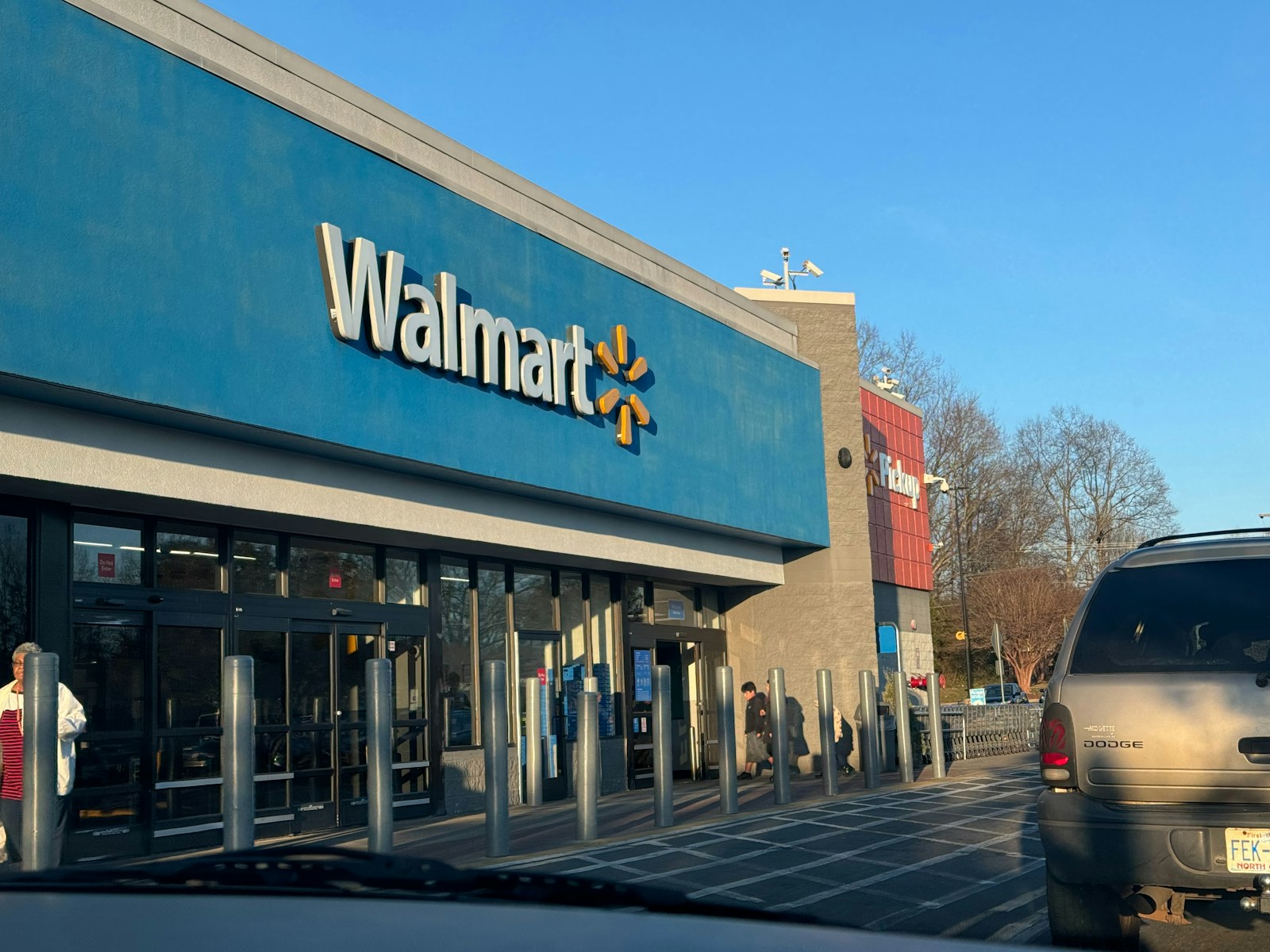
Walmart (WMT), often viewed as a bellwether for U.S. consumer health, said recent sales trends were driven by grocery strength and value-seeking shoppers trading down from higher-priced alternatives. Executives emphasized market share gains but acknowledged that price investments aimed at protecting volumes would cap near-term margin expansion. That message was echoed by several peers, reinforcing the view that revenue stability is coming at the expense of earnings leverage.
At Target (TGT), management highlighted improved inventory discipline compared with prior years, reducing the risk of post-holiday markdowns. However, the company also noted that promotional intensity remained elevated, particularly in discretionary categories such as home goods and electronics. While inventory positions are healthier, the competitive landscape has limited retailers’ ability to raise prices.
Labor costs remain another pressure point. Wage increases implemented over the past two years have stabilized staffing levels and improved in-store execution, but they have also locked in a higher cost base. Retailers with greater automation and scale advantages appear better positioned to absorb these expenses, while smaller chains face tougher trade-offs between staffing, service, and profitability.
For investors, the holiday season is reinforcing a familiar theme: top-line resilience does not automatically translate into earnings acceleration. Retail stocks have generally lagged the broader market in recent months, reflecting skepticism that margin recovery will be swift. Still, companies demonstrating inventory control, disciplined promotions, and consistent cash flow are viewed as better defensive plays heading into the new year.
As earnings season approaches, guidance for 2026 will likely hinge less on sales growth and more on cost management and execution. In a competitive, value-driven environment, retailers are proving they can still grow—but the quality of that growth is under closer scrutiny than ever.