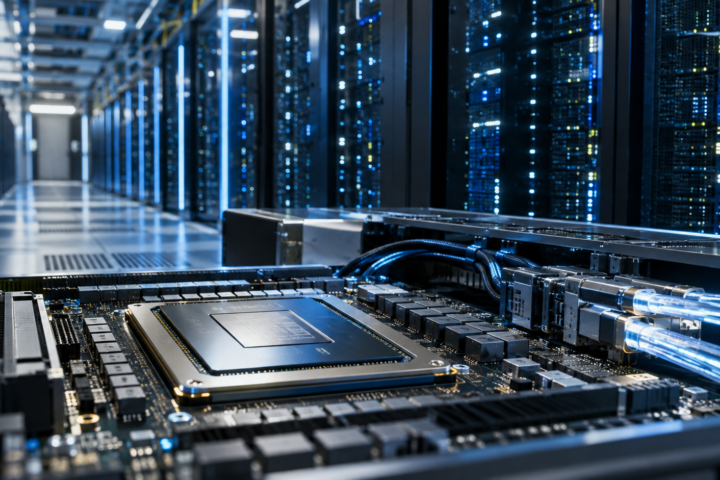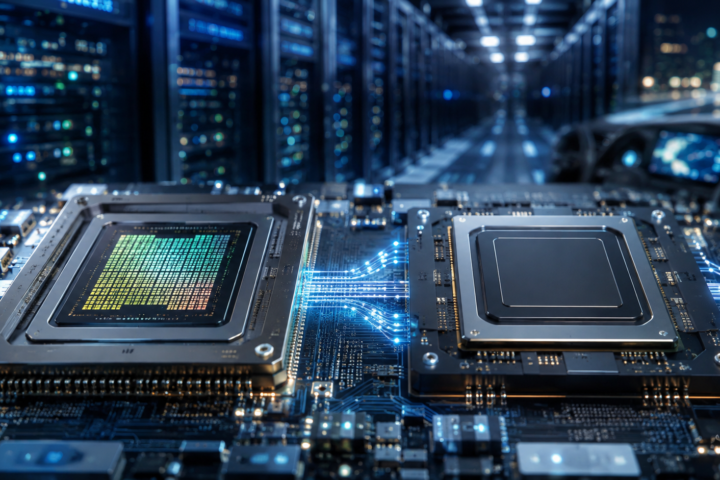
Heavy data-center outlays are re-pricing mega-cap software, while chip-adjacent suppliers benefit from the AI buildout.
Investors are starting to draw a sharper line between “AI winners” and “AI spenders,” and this week’s tape in large-cap tech showed why. Microsoft (MSFT) suffered a sharp selloff after investors fixated on the pace of data-center investment tied to artificial intelligence, even as the company cleared headline expectations. The message from the market was less about whether AI demand exists and more about how quickly that demand can translate into cash flow as capital expenditures keep climbing.
That skepticism is landing unevenly across the stack. Companies that consume capital to build AI capacity are facing tougher questions about near-term returns, while firms that supply the build—especially in memory, storage, and infrastructure components—are seeing renewed enthusiasm. Western Digital (WDC) rallied after results and guidance pointed to stronger AI-driven demand for high-capacity hard drives used in data centers, reinforcing the idea that AI’s growth is spilling beyond GPUs into the plumbing of cloud infrastructure.
Memory is telling a similar story. Micron Technology (MU) has been buoyed by expectations that high-bandwidth memory will remain structurally tight as AI accelerators proliferate, with industry commentary pointing to a multi-year supply-demand imbalance that supports pricing and margins. For equity investors, the appeal is straightforward: memory and storage suppliers can benefit from AI volume growth without shouldering the same scale of front-loaded capex as hyperscalers.
The risk is that bottlenecks and geopolitics could reshuffle the beneficiary list. With advanced manufacturing and packaging capacity strained, chipmakers and their customers are increasingly discussing diversification and multi-sourcing—an undercurrent that could influence everything from lead times to pricing power across the semiconductor ecosystem.