Global commodity markets are showing mixed signals as energy prices soften while precious metals and some industrial commodities attract investor attention amid ongoing macroeconomic and geopolitical uncertainty.
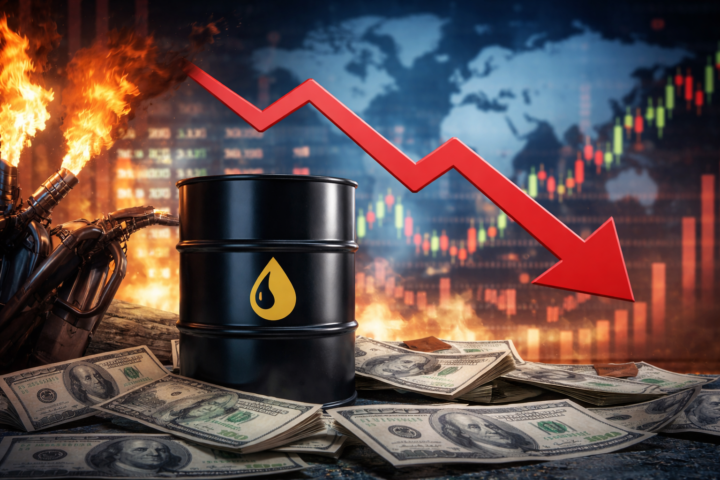
Crude oil prices are on track to finish lower for a second consecutive week, with Brent near ~$60 a barrel and West Texas Intermediate (WTI) around ~$56, weighed down by expectations of easing supply concerns following talk of progress toward a Russia-Ukraine peace deal. Diminished geopolitical risk premiums have dampened bullish bets, although enforcement of U.S. actions against Venezuelan tankers continues to add episodic supply risk. Lower oil prices have also coincided with falling open interest in key futures contracts, reflecting reduced speculative participation.
In contrast to energy, gold prices remain elevated, supported by sustained central bank buying, expectations of future interest rate cuts in the U.S., and broader portfolio diversification trends. Major investment banks now forecast further upside for the yellow metal over the next year, citing structurally strong demand drivers.
Beyond crude and gold, broader commodity pricing data highlight uneven performance across raw materials. Some base and industrial metals show resilience, while indices tracking wider commodity baskets have been relatively flat or modestly lower on balance amid sluggish global growth forecasts. Agricultural and soft commodities have shown mixed dynamics, with grain markets entering quieter seasonal trading and livestock prices moving modestly.
Longer-term outlooks from multilateral institutions and market analysts point to continued downward pressure on overall commodity prices in 2026, driven by weak global economic demand and ample supply in key sectors — particularly energy. Even so, specific segments such as precious metals and select industrial commodities tied to electrification and infrastructure remain areas of strategic interest for investors.
For commodity investors, the current environment suggests divergent drivers: energy markets grappling with demand headwinds and geopolitical volatility, precious metals buoyed by macro hedging flows, and broader commodity indices reflecting underlying economic slack. Monitoring fundamental demand trends, geopolitical developments, and central bank policy remains key to navigating these mixed signals.