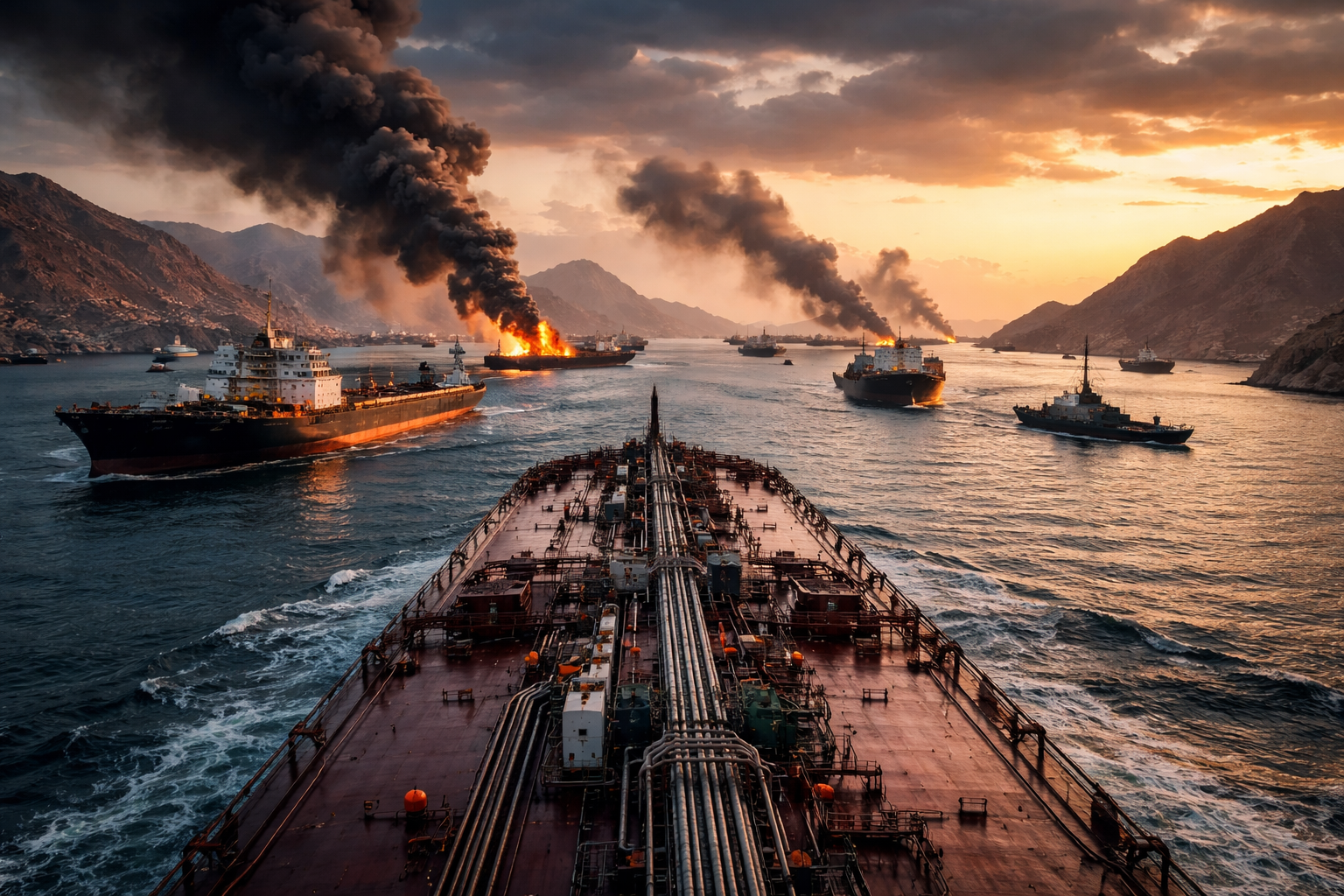
A Middle East conflict centered on the Strait of Hormuz is no longer just an energy story; it is becoming the clearest test yet of how quickly geopolitics can spill into inflation, trade, and global growth.
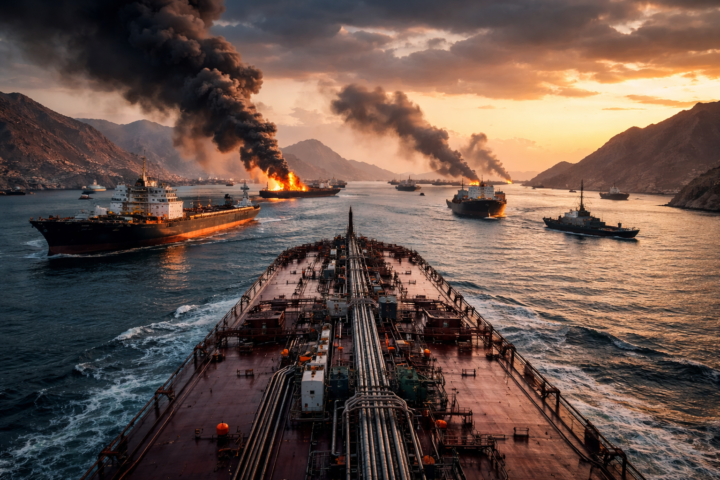
The world economy is being forced to relearn an old lesson at uncomfortable speed: when a major energy chokepoint is disrupted, almost every market becomes a geopolitical market. That reality has defined the past week as conflict involving Iran, the U.S. and regional states upended shipping through the Strait of Hormuz, jolting oil and gas prices, unsettling supply chains and reviving recession fears from Europe to Asia. Even after a sharp relief rally in risk assets on hopes of diplomacy, the broader picture remains one of fragility rather than resolution.
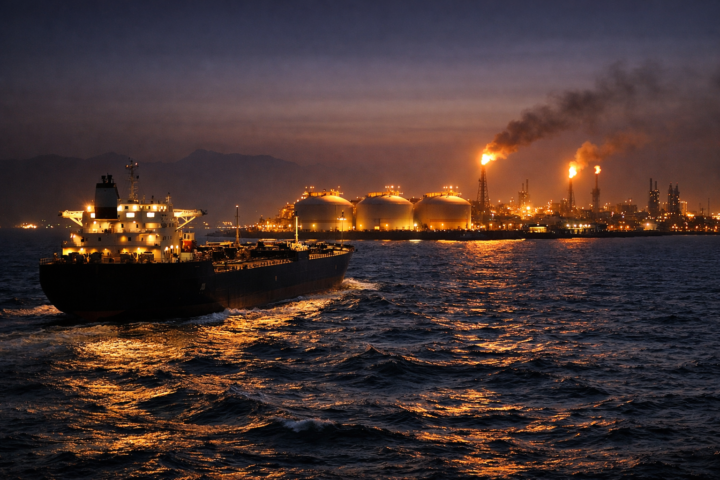
The immediate economic mechanism is straightforward. Hormuz carries a critical share of the world’s seaborne oil and liquefied natural gas. When traffic through that corridor is restricted, import-dependent economies face a fast repricing of fuel, freight, insurance and industrial inputs. That is exactly what has happened. Oil surged above $110 a barrel at points during the escalation, with Brent later falling back below $100 as tentative peace signals emerged, only to rebound as those signals proved uncertain. The volatility matters almost as much as the level. For businesses that buy fuel, airlines that hedge it, farmers that depend on fertilizer and central banks that are already uneasy about inflation, violent two-way price moves make planning harder and confidence weaker. Exxon Mobil (XOM), Shell (SHEL) and other energy producers have become de facto geopolitical proxies, while transport, chemicals and consumer sectors have absorbed the opposite shock.
What distinguishes this episode from a routine oil spike is the breadth of the transmission. The International Energy Agency has warned that the disruption poses a major threat to the global economy, citing oil and gas losses large enough to exceed some previous benchmark crises. The World Trade Organization has separately warned that prolonged high energy prices could dent global trade growth, strain fertilizer supplies and even weigh on the capital-spending cycle behind the artificial-intelligence boom. In other words, this is not merely a tax on drivers. It is a pressure point for food systems, manufacturing margins, shipping networks and the electricity-hungry data-center buildout that has helped support corporate investment over the past year.
Europe looks especially exposed because it enters this shock with only modest growth and lingering sensitivity to imported energy after the long readjustment away from Russian supplies. Britain’s latest business surveys already show a sharp rise in factory input costs and softer activity, suggesting the energy impulse is beginning to feed through to the real economy. The danger for European policymakers is an ugly mix of slower growth and stickier inflation, the kind of backdrop that leaves central banks reluctant to cut rates quickly even as households and businesses weaken. The result may not be an outright global recession, but it raises the probability of a synchronized downshift in growth across economies that had already been losing momentum.
Asia faces a different version of the same challenge. Many of the region’s largest economies are structurally more dependent on imported oil and gas moving through Gulf routes. That leaves them vulnerable not only to higher prices but also to physical shortages, emergency reserve releases and politically difficult subsidy decisions. For countries with weaker currencies, the burden is heavier still, because pricier energy imports arrive at the same moment that a stronger dollar and tighter financial conditions raise external financing stress. This is how a military conflict in one corridor becomes a household-finance story elsewhere: more expensive transport, higher food costs, thinner real wages and renewed pressure on governments to cushion consumers without blowing out fiscal balances.
Markets, for now, are still trying to trade the probability of de-escalation rather than the certainty of damage. That explains the seemingly contradictory pattern of recent sessions, when global stocks rose and oil dropped on suggestions that a ceasefire framework or indirect talks might be taking shape, only for those moves to partly reverse as Iranian officials denied negotiations and military tensions persisted. Investors are effectively pricing two worlds at once. In the first, diplomacy reopens shipping lanes, allows emergency stockpiles to stabilize supply and turns this into a violent but temporary shock. In the second, the conflict hardens into a longer standoff in which energy flows remain impaired, insurance costs stay elevated and the geopolitical risk premium becomes permanent enough to alter inflation and earnings forecasts for the rest of the year.
That second scenario is the one policymakers should fear most because it changes behavior before it changes official data. Companies delay hiring, rebuild inventories, revise capex assumptions and pass through costs more aggressively. Consumers pull back on discretionary spending. Governments tap reserves, debate rationing or subsidies and postpone fiscal consolidation. Central banks, meanwhile, confront the oldest energy-shock dilemma: whether to look through higher headline inflation or lean against the risk that it becomes embedded. None of those responses is market-friendly, and all of them push against the soft-landing narrative that had underpinned many asset prices.
There is also a deeper strategic lesson emerging. For years, investors treated geopolitics as a periodic volatility event, disruptive but usually secondary to inflation prints, payroll data and earnings revisions. The Hormuz crisis suggests the hierarchy has changed. Geopolitics is no longer just an overlay on macro. It is macro. Energy chokepoints, sanctions, shipping security and military signaling now feed directly into the inflation path, the rate path and the profit path. That does not mean every geopolitical scare becomes a lasting economic rupture. It does mean portfolios, policy frameworks and corporate planning assumptions built for a calmer era are being stress-tested in real time.
The near-term path still hinges on diplomacy, and markets will remain hypersensitive to every headline about talks, troop movements and shipping access. But the world has already crossed one threshold. Even if the worst outcomes are avoided, this episode has demonstrated how narrow the margin for error is in a global economy still dependent on fragile trade arteries and still vulnerable to energy shocks. The relief rallies may continue. So will the temptation to assume that any pullback in oil marks a return to normal. The better reading is harsher: normal has become a world in which security risk carries a daily price.