A surge in energy prices is overwhelming the rest of the commodity complex, forcing investors to reprice inflation, growth and supply risk all at once.
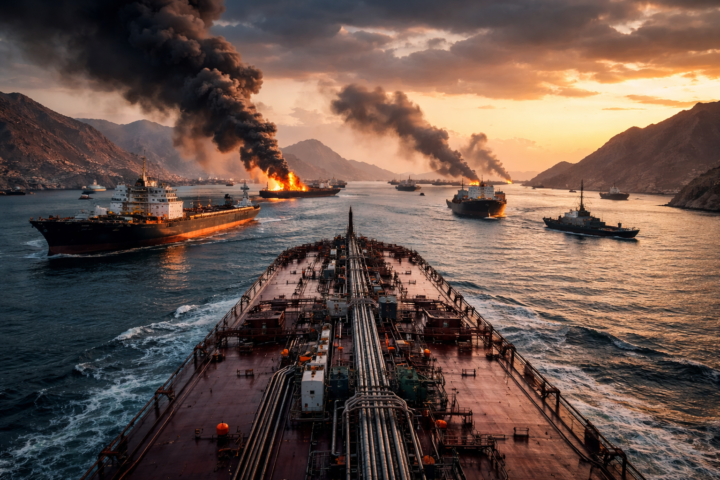
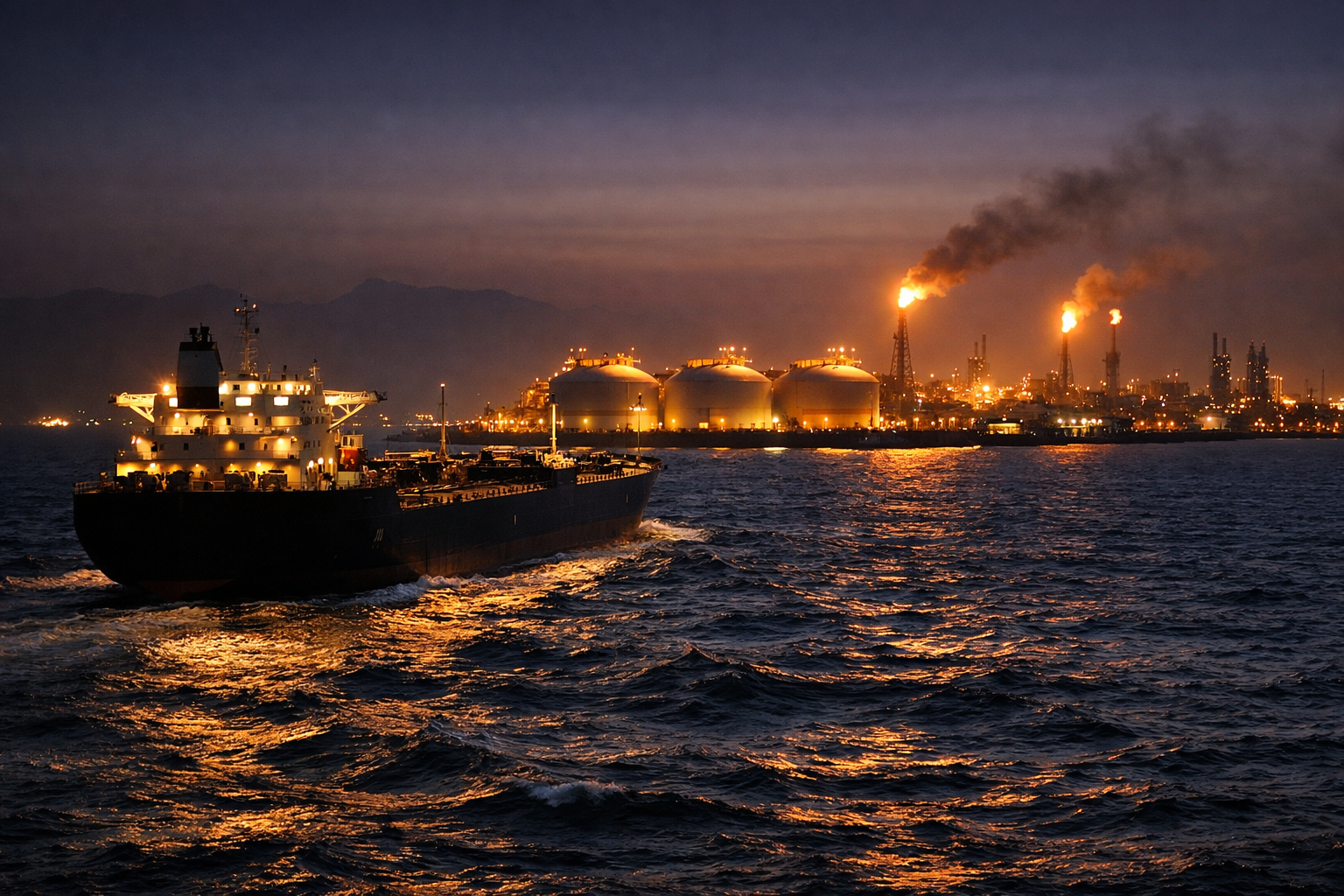
The commodities market was thrown back into crisis mode on March 19 as fresh attacks on Gulf energy infrastructure and disruption around the Strait of Hormuz drove a violent repricing in oil and natural gas, reviving a risk premium that had largely faded from markets over the past year. Brent crude traded above $113 a barrel and at points pushed higher, while U.S. crude hovered near the high-$90s, a dramatic move from levels below $73 before the latest phase of the conflict. European gas prices also surged, with reports pointing to double-digit percentage gains after damage at Qatar’s Ras Laffan complex, a critical node in global LNG supply.
What makes this move more consequential than a routine geopolitical spike is that the market is no longer reacting only to headline risk. Traders are confronting the possibility of actual, sustained damage to production, processing and shipping infrastructure in the Gulf, including assets tied to a region that sits at the center of global crude and LNG trade. The closure or effective impairment of tanker traffic through Hormuz matters because it changes not just prompt pricing but the shape of the forward curve, freight costs, refinery margins and hedging behavior across the energy chain. That is why the move has spread beyond crude into gas, power and transport-linked markets, and why the broader inflation debate has been abruptly reopened.
For oil producers and energy equities, the first-order effect is obvious. Companies with direct upstream exposure stand to benefit from stronger realized prices, at least if the physical disruption remains concentrated in the Gulf rather than spreading across operating regions. Exxon Mobil (XOM), Chevron (CVX) and Shell (SHEL) are natural proxies for investors trying to express that view in equities, though the picture is more complicated for integrated majors with refining, chemicals and LNG exposure. In Shell’s case, reports of damage to its Pearl GTL plant underscore the point that higher benchmark prices do not automatically translate into cleaner earnings if physical assets are caught in the shock. The market is therefore rewarding supply outside the conflict zone while penalizing vulnerability inside it.
The surprise inside commodities is that precious metals have not behaved as many investors would expect during a geopolitical escalation. Gold, which had been one of the strongest conviction trades of the past year, fell sharply after the Federal Reserve held rates steady and signaled concern that higher energy costs could complicate the path back to lower inflation. Reports from global and Indian markets showed gold and silver retreating as the dollar firmed and traders pushed back expectations for near-term rate cuts. That combination has mattered more, at least for now, than gold’s traditional safe-haven role. In other words, the market is treating the energy shock as an inflation problem first and a haven bid second.
That divergence is important because it tells investors this is not a classic broad-based commodity melt-up. Energy is tightening on supply fear. Precious metals are being weighed down by real-rate anxiety and a stronger dollar. Industrial metals, meanwhile, are sending a more mixed message. Copper prices had softened into March 18 even before the latest energy escalation, despite remaining above year-ago levels, reflecting investor uncertainty over global growth and Chinese demand. Yet the longer-term copper story has not gone away. Freeport-McMoRan (FCX) recently showed COMEX copper closing near $5.79 a pound on March 16, and major miners continue to position around a structural supply deficit narrative tied to electrification and grid investment.
That leaves commodity investors facing two different clocks. The short clock is geopolitical and brutally immediate: oil and gas can stay elevated as long as traders believe infrastructure damage, shipping interruptions or military retaliation could worsen. The longer clock is macroeconomic. If higher energy costs begin feeding into transport, manufacturing and household bills, central banks may have less room to ease policy, even as growth slows. The Bank of England effectively acknowledged that tension on March 19 when it warned of a new economic shock tied to the Middle East crisis while holding rates unchanged. That kind of policy response matters far beyond Britain because it hints at the next stage of this commodity move: tighter financial conditions driven by energy rather than wage growth.
The International Energy Agency and OPEC entered March with a much calmer oil backdrop, with OPEC’s reference basket averaging $67.90 in February and ICE Brent averaging $69.37 for that month. Those figures now look less like a base case than a reminder of how quickly commodity balances can be overwhelmed by geopolitical risk. Once physical supply credibility is questioned, inventories, spare capacity and official demand forecasts matter less than confidence in logistics. That is why the market’s focus has shifted from whether supply is technically available to whether it can move safely and on time.
For investors, the practical takeaway is that commodities are no longer moving as a single asset class. Energy has become a security premium trade. Gold has become a rates-and-dollar trade. Copper remains a growth and scarcity trade, but one that can be temporarily dragged lower by macro fear. The best-performing strategies in this environment are likely to be selective rather than broad: overweight non-Gulf oil exposure, stay cautious on demand-sensitive metals until growth expectations stabilize, and avoid assuming that every geopolitical shock automatically lifts bullion. If the Gulf disruption persists, the immediate winners may be energy exporters and producers outside the blast radius; the losers may be import-dependent economies, airlines, chemicals and any sector whose margins cannot absorb another jump in fuel and feedstock costs.