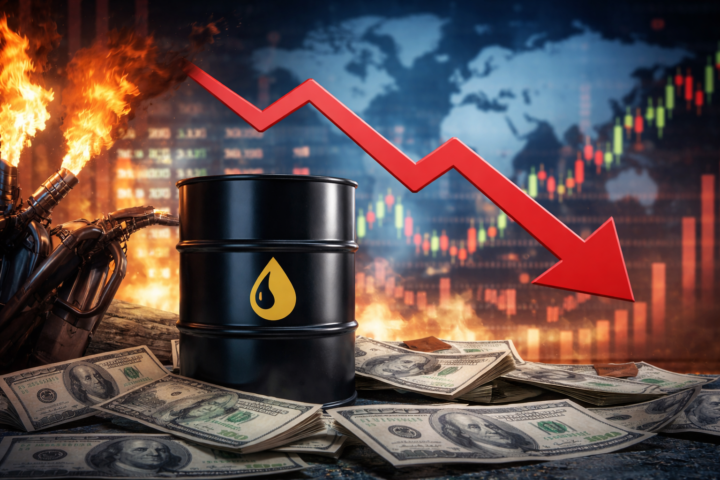
Crude markets are balancing geopolitical uncertainty against slowing consumption growth and ample inventories.
Oil prices steadied this week as traders weighed persistent supply risks against signs of softer global demand, leaving energy markets range-bound after weeks of volatility. Brent crude held near recent averages, reflecting a fragile equilibrium between geopolitical concerns and macroeconomic headwinds.
On the supply side, production discipline from major exporters has helped prevent a sharper downturn. Saudi Arabia and its allies have signaled a willingness to adjust output to support prices, reinforcing a de facto floor for crude. At the same time, disruptions tied to regional tensions and infrastructure bottlenecks have kept a risk premium embedded in futures markets, even as no material outages have yet occurred.
Demand, however, remains the central uncertainty. Economic data from Europe and parts of Asia point to sluggish industrial activity, while fuel consumption growth has moderated after a strong post-pandemic rebound. China’s recovery has been uneven, with refiners operating below peak utilization rates, dampening expectations for a sharp pickup in imports. In the U.S., resilient consumer spending has supported gasoline demand, but efficiency gains and seasonal factors are limiting upside pressure.
Energy equities have reflected this mixed outlook. Shares of ExxonMobil (XOM) have traded in a relatively narrow range, supported by strong balance sheet flexibility and shareholder returns, but lacking a clear catalyst for multiple expansion without higher oil prices. Investors appear increasingly focused on free cash flow durability rather than near-term price momentum.
Beyond oil, gold has remained firm as investors continue to hedge against geopolitical risk and longer-term monetary uncertainty. While expectations for interest-rate cuts have fluctuated, central bank buying and steady retail demand have provided underlying support. Gold’s resilience underscores a broader theme in commodities markets: diversification and risk management are back in focus after years of policy-driven volatility.
Looking ahead, commodity investors face a landscape shaped less by sudden shocks and more by gradual recalibration. Oil prices are likely to remain sensitive to headlines, but sustained moves will depend on clearer evidence of either supply tightening or renewed demand strength. Until then, commodities appear set for consolidation rather than breakout, rewarding patience over speculation.