
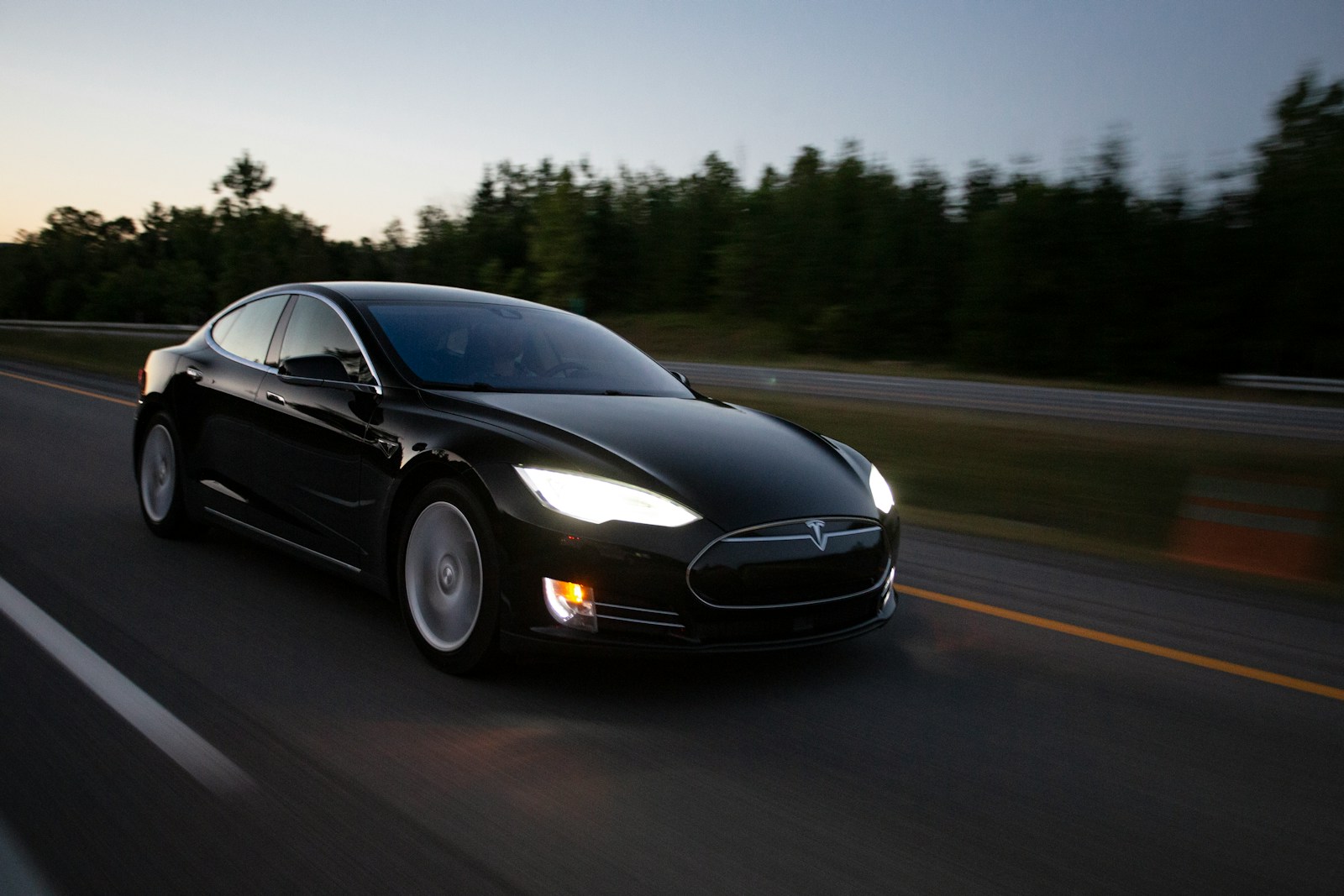
Electric-vehicle pricing cuts continued to weigh on profitability, underscoring the trade-off between volume growth and earnings.
Tesla (TSLA) reported quarterly earnings that showed resilient revenue but persistent pressure on margins, reinforcing investor concerns that aggressive price reductions are eroding profitability even as they support vehicle demand. The results, which assume a recently completed fiscal quarter consistent with current market conditions, point to a company navigating a more competitive and slower-growing electric-vehicle market.
Revenue rose modestly from a year earlier, supported by steady global deliveries and incremental contributions from energy storage and services. Automotive revenue, however, reflected the impact of lower average selling prices, a consequence of repeated price cuts across key models in the U.S., Europe, and China. Tesla has leaned on pricing flexibility to defend market share as rivals introduce lower-cost electric vehicles and consumers become more price sensitive amid higher interest rates.
Gross margin declined again on a year-over-year basis, with management citing reduced pricing power, higher incentives, and ongoing investments in artificial intelligence, manufacturing upgrades, and new vehicle platforms. While operating expenses remained relatively controlled, the squeeze on margins translated into lower net income compared with the same period last year.
Chief Executive Elon Musk reiterated the company’s long-term focus on scale, automation, and cost efficiency, arguing that near-term margin volatility is a necessary cost of expanding Tesla’s installed base. He highlighted progress on next-generation vehicle development and full self-driving software, positioning these initiatives as potential drivers of future profitability. Still, timelines for meaningful revenue contribution from autonomous features remain uncertain.
Investors reacted cautiously to the report, with attention centered on guidance. Tesla offered a measured outlook, signaling continued investment and acknowledging that demand growth may be uneven across regions. The company emphasized its balance sheet strength and cash position as buffers against a challenging pricing environment.
The earnings report reinforces a broader shift in how markets view Tesla: less as a high-margin disruptor and more as a maturing automaker operating in an increasingly crowded field. While long-term optimism around technology and scale persists, near-term performance is likely to hinge on Tesla’s ability to stabilize margins without sacrificing growth.