
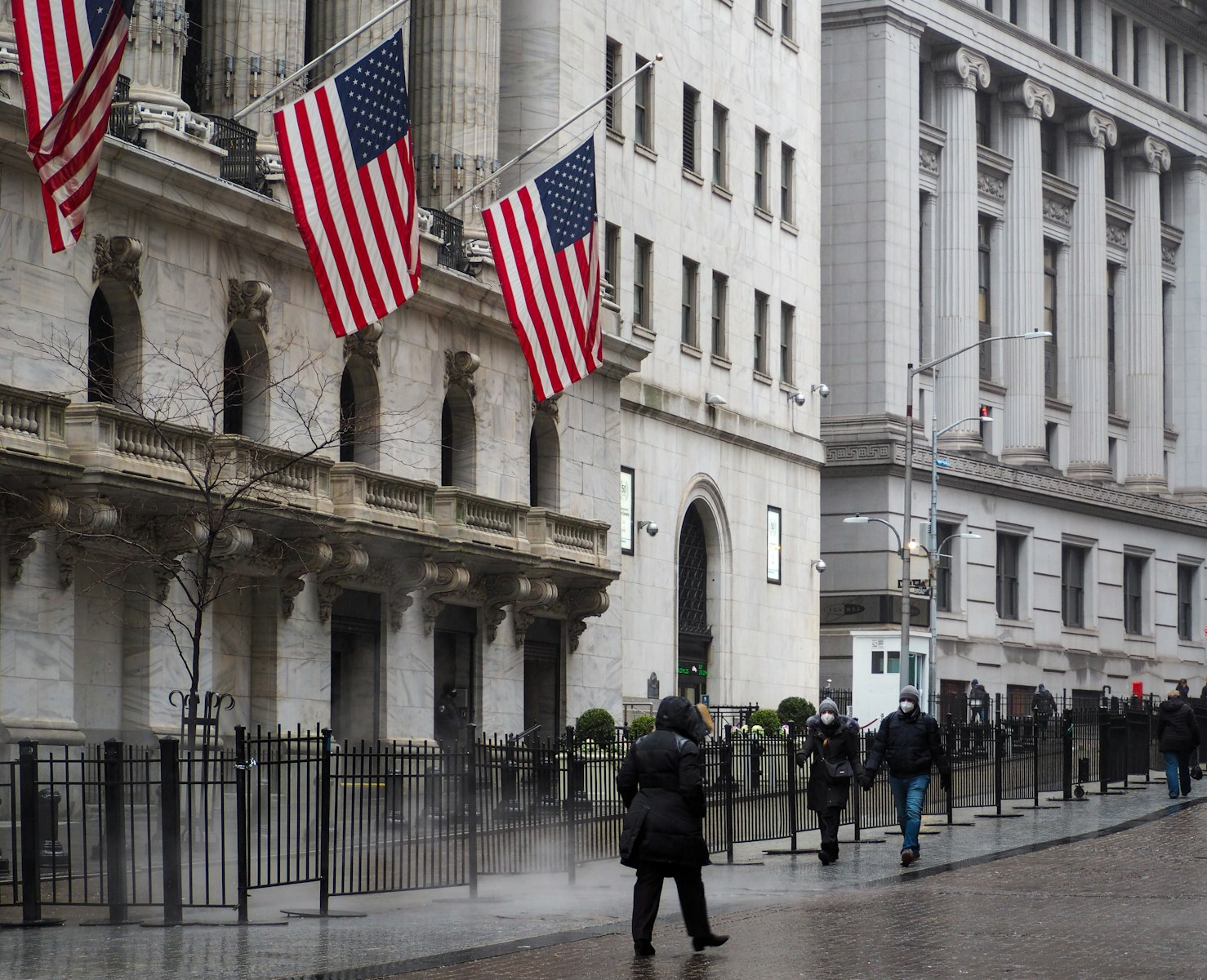
Weak mergers and acquisitions activity and higher funding costs weighed on advisory revenue and outlooks.
Large U.S. banks are signaling a more restrained business environment as investment banking activity remains subdued, reflecting corporate hesitation in the face of high interest rates and uncertain economic growth. Recent earnings updates from lenders point to a prolonged slowdown in mergers, acquisitions, and equity issuance, traditionally among the most lucrative segments for Wall Street firms.
JPMorgan Chase (JPM), the largest U.S. bank by assets, reported softer advisory and underwriting revenue compared with a year earlier, even as its consumer and commercial banking units continued to benefit from elevated interest rates. Executives noted that while corporate balance sheets remain generally healthy, boardrooms are delaying strategic transactions amid valuation gaps and policy uncertainty.
The slowdown is being felt across the sector. Companies considering acquisitions are struggling to reconcile sellers’ price expectations with higher financing costs, while equity issuance has been sporadic as stock market volatility keeps windows for new deals narrow. Debt issuance has been more resilient, but largely concentrated in refinancing rather than expansion-driven borrowing.
At the same time, banks are facing higher expenses tied to technology investment, regulatory compliance, and wage pressures. Net interest income, which surged during the Federal Reserve’s rate-hiking cycle, is beginning to plateau, removing a key earnings tailwind that previously offset weaker fee income.
Despite the cautious tone, bank executives emphasized that pipelines for potential deals are slowly rebuilding, particularly in sectors such as energy, healthcare, and technology. Many firms expect activity to recover once interest rates show clearer signs of stabilizing or declining, which could help narrow valuation gaps and revive confidence among corporate decision-makers.
For investors, the shift highlights the changing earnings mix for major financial institutions. Banks with diversified revenue streams and strong consumer franchises are better positioned to weather the downturn in deal-making, while those more heavily exposed to capital markets face a tougher near-term outlook.
The current environment suggests that a rebound in investment banking will depend less on market liquidity and more on macro clarity, leaving the sector in a holding pattern as companies wait for a more predictable cost of capital.