A sudden escalation in the U.S.-Israel-Iran conflict is turning an already fragile energy and shipping backdrop into a broad macro risk for markets and households worldwide.
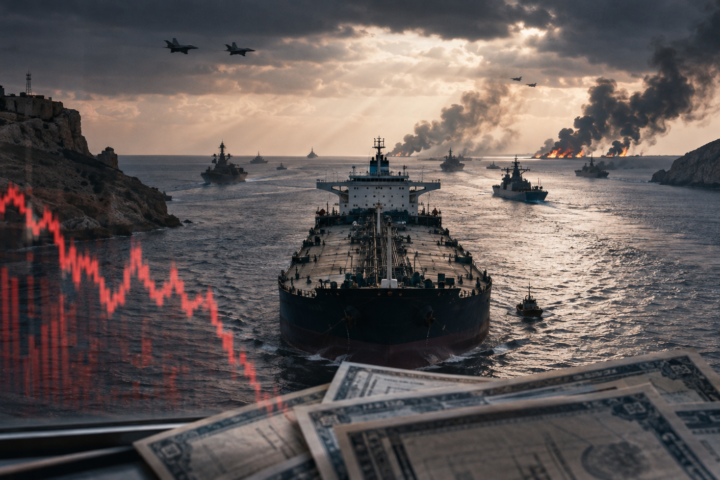
A fast-moving flare-up in the Middle East is forcing investors to reprice one of the world’s most consequential choke points: the Strait of Hormuz. Over the past several sessions, oil and gas prices have surged, shipping routes have been scrambled, and the risk of a near-term inflation setback has moved from abstract tail risk to a real input in forecasts for central banks and corporate earnings. The immediate catalyst has been attacks and disruption tied to Gulf energy infrastructure and commercial vessels, which have sharply curtailed traffic through Hormuz and raised insurance costs for ships that still attempt the passage.
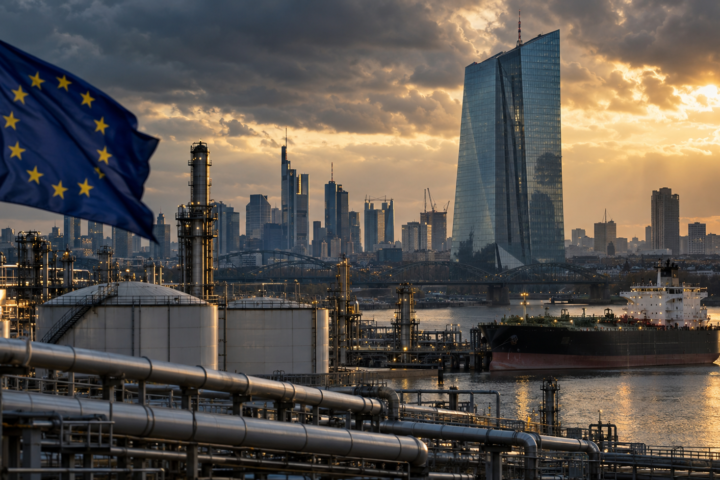
The energy market’s reaction has been swift because the plumbing is tight. Europe’s gas market is particularly sensitive to any interruption in liquefied natural gas flows, and traders moved aggressively after reports that LNG operations in Qatar were suspended following drone attacks. Oil prices also jumped on fears of a wider supply shock and the possibility that disruptions persist long enough to matter for physical inventories rather than just futures curves.
What began as a regional security crisis is now colliding with a global economy that has spent the last few years trying to wring out inflation without triggering recession. For consumers, the transmission mechanism is familiar: higher crude prices filter into gasoline and diesel, while higher gas benchmarks pressure electricity costs and heating bills. For companies, especially transport-heavy businesses, energy becomes both a direct cost and a demand risk as discretionary spending softens. Airline and travel names tend to feel this quickly, while energy producers and some defense contractors often see near-term tailwinds. That pattern has already been visible in equity market moves, with broader indices under pressure and energy-linked segments relatively firmer.
The deeper concern for policymakers is not just the level of energy prices but the uncertainty around them. When traders cannot gauge whether a disruption is measured in days or months, the “risk premium” can linger. That complicates rate-cut timelines because central banks are forced to separate temporary price spikes from second-round effects on wages and services inflation. In Europe, where gas remains a politically sensitive input after years of volatility, a renewed surge risks reopening debates about fiscal support, energy security, and the pace of decarbonization. The market implication is that bond yields can become more volatile even if growth expectations weaken, because inflation hedging demand rises.
Shipping is the second channel where the world feels Hormuz quickly. If vessels avoid the Gulf or face delays and higher insurance, the costs ripple into freight rates, delivery times, and working capital needs across supply chains. Maritime analysts have been warning about congestion risks and rate spikes as carriers divert and halt bookings in affected routes, a replay of earlier episodes when Red Sea insecurity pushed cargo around the Cape of Good Hope. In practical terms, diversions mean longer voyages, higher fuel consumption, and tighter effective capacity, which can raise transport costs for everything from consumer goods to industrial inputs.
For multinational companies, the near-term question is whether this becomes a sustained logistics shock or a short-lived scare. The longer it lasts, the more it behaves like a tax on global trade. Importers face higher landed costs; exporters face delivery uncertainty; and inventory strategies tilt toward “more stock on hand,” which ties up cash. The winners and losers can be surprisingly specific: container lines and logistics providers may see better pricing power, but manufacturers that rely on just-in-time components are exposed. Even cloud and data infrastructure has appeared in the risk narrative, underscoring how modern economies can be disrupted through multiple chokepoints at once.
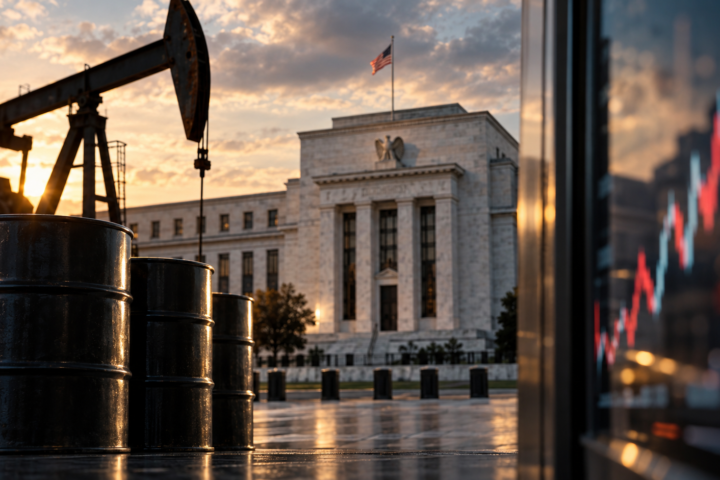
Energy equities have been a key release valve for portfolios trying to hedge the macro risk. Exxon Mobil (XOM), along with other large integrated producers, tends to benefit when crude rises and refining margins respond, though the net effect depends on how demand holds up and whether policymakers tap strategic reserves or coordinate releases. The balancing act is that an oil spike can be self-defeating: it lifts producer cash flows while simultaneously tightening financial conditions and weighing on consumers. Markets typically treat the first leg as bullish for energy shares, but if prices overshoot and recession odds climb, the second leg can cap gains.
Europe faces a particularly awkward mix because its economy is more energy-import dependent and its inflation sensitivity to gas can be acute. At the same time, the war in Ukraine has not fully exited the risk picture. Diplomatic bandwidth, defense budgets, and energy policy all intersect here. Some European governments have been struggling to maintain unity on sanctions and security posture, while businesses have adapted supply chains to a higher baseline of geopolitical friction. In that environment, a Middle East shock does not arrive in isolation; it stacks on top of existing uncertainties in trade, commodity flows, and security commitments.
For emerging markets, the distribution is uneven. Energy exporters can see improved terms of trade and fiscal relief, while importers face immediate balance-of-payments strain. Countries that subsidize fuel are especially vulnerable because budgets can deteriorate rapidly if governments absorb the price increase to avoid social unrest. Currency markets tend to respond by rewarding external surpluses and punishing those that look more fragile under higher commodity import bills. That dynamic can tighten financial conditions even without central bank action, as weaker currencies amplify imported inflation.
Investors are left with two competing narratives. The first is the classic risk-off playbook: higher energy, higher uncertainty, and more volatility push money into the dollar and other perceived havens, while equities de-rate and credit spreads widen. The second is a rotation story: energy and defense outperform, some commodity-linked currencies strengthen, and inflation hedges regain appeal. In reality, both can be true at once, which is why cross-asset correlation tends to rise in these episodes and why portfolios that looked diversified in calmer markets can start moving in the same direction.
The market’s next inflection point will likely depend on whether the shipping disruption eases and whether energy infrastructure can operate without further attacks. If traffic through Hormuz normalizes quickly, risk premiums can fade and central banks may treat the spike as noise. If the disruption persists, the episode becomes macro-relevant: it can delay rate cuts, squeeze margins, and revive the global conversation about energy security and supply chain resilience. The uncomfortable lesson for investors is that geopolitical risk is no longer an occasional headline. It is increasingly a structural variable, and the price of ignoring it shows up first in oil, then in shipping, and finally in the real economy.