A softer outlook for oil demand and managed supply is colliding with persistent demand for safe havens and electrification metals, leaving the commodity complex less unified and more selective for investors.
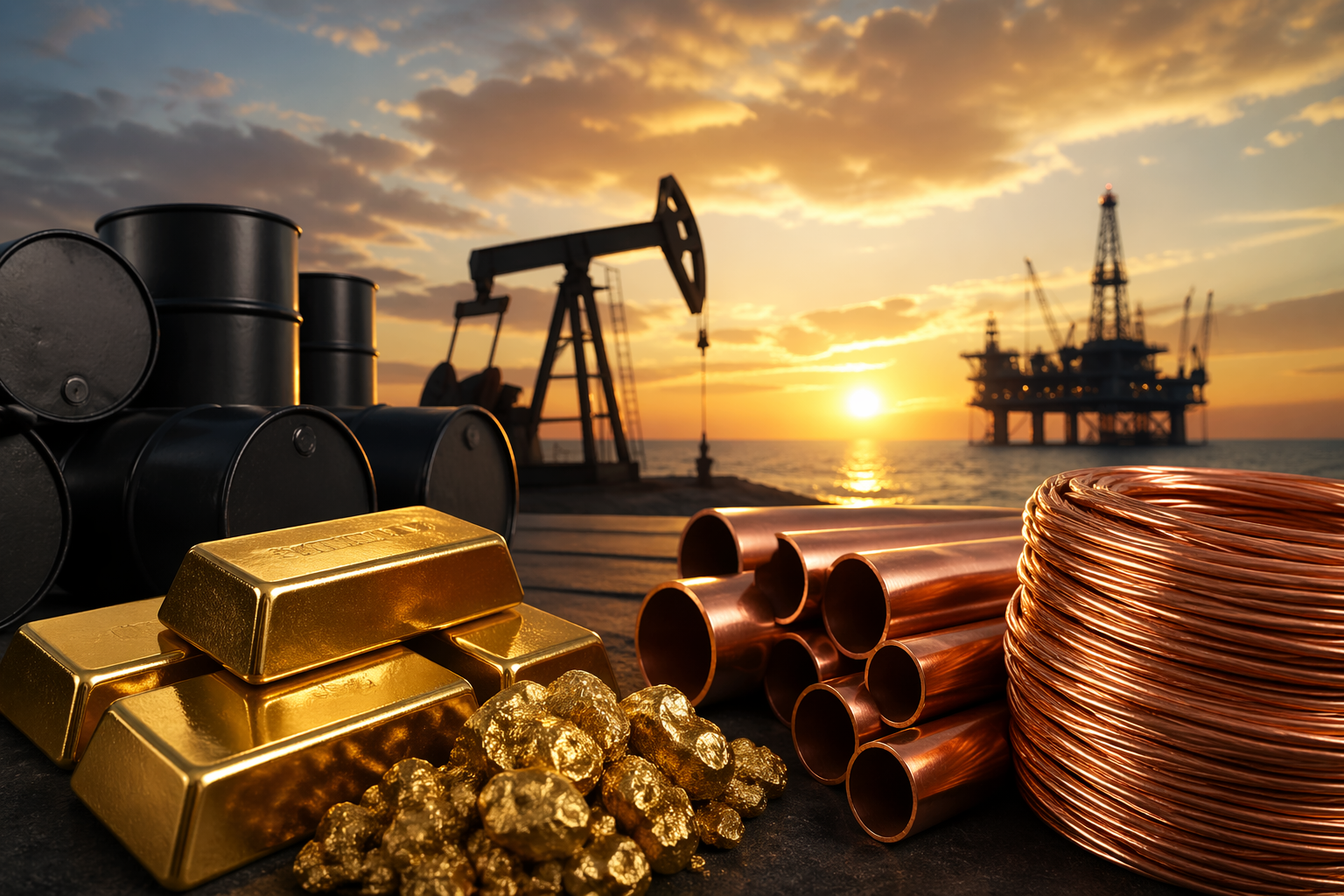
The commodity story this week is not a broad rally or a broad retreat. It is a market splitting into distinct trades, with oil, gold and copper responding to very different forces even as they sit inside the same asset class. That divergence matters because commodities often move in recognizable cycles, but the latest price action suggests investors are no longer treating the complex as a single inflation barometer. Instead, energy is being priced through a lens of demand risk and producer discipline, precious metals through geopolitics and reserve diversification, and industrial metals through a narrower debate over supply tightness versus the durability of end demand.
Oil remains the hardest market to read because the headline variables are pulling in opposite directions. On one side, OPEC+ has signaled confidence in market fundamentals and is proceeding with a path to adjust production, a reminder that the producer group still believes it can manage balances without inviting a collapse in prices. On the other, the International Energy Agency struck a much darker tone in its April assessment, saying global oil demand is now expected to contract by 80,000 barrels a day in 2026 after the Iran war sharply altered the outlook. That swing, including a projected 1.5 million barrel a day decline in second quarter demand, is severe enough to shift the conversation from supply scarcity to consumption damage.
That tension helps explain why crude has stopped behaving like a one-way geopolitical trade. In the latest market action, Brent slipped below the psychological highs reached during the recent Middle East scare, with investors responding to signs of a cease-fire extension even while shipping and regional security risks remain unresolved. In other words, traders are beginning to discount the immediate supply shock while paying more attention to the possibility that higher prices themselves have already curtailed demand. That is a familiar oil pattern, but this time it is arriving faster than many producers would like. For Exxon Mobil (XOM) and Chevron (CVX), the implication is not that cash generation disappears, but that the upside case for sustained triple-digit crude becomes harder to defend if global consumption weakens into the second half of the year.
Gold tells a different story. The metal has pulled back sharply from recent highs on some sessions, but the broader support structure remains intact. World Bank analysis and industry outlooks have pointed to continued strength in 2026, driven by central bank buying, geopolitical stress and portfolio demand for assets seen as less exposed to sovereign and currency risk. Even when day-to-day price action turns violent, the underlying narrative has not changed much: gold is trading less like a pure inflation hedge and more like a strategic reserve asset in an era of fragmented geopolitics. That shift helps explain why dips have so far looked more like consolidations than a clean break in trend.
The practical consequence for investors is that gold demand is no longer dependent on a single macro trigger such as imminent rate cuts. It can coexist with a firmer dollar, with geopolitical flare-ups, or with institutional reserve reallocation. That makes the metal unusually resilient even when futures markets show exhaustion. For miners and royalty names, the backdrop remains broadly constructive, though the easier trade may now sit in balance-sheet quality rather than pure beta after such a steep multiyear run in bullion.
Copper, meanwhile, is carrying the burden of future-facing optimism. Prices rose again on April 22 and are up roughly 11% over the past month and about 25% from a year earlier, even after touching a record high in January. The bullish case is straightforward: supply growth remains difficult, permitting and mine expansion are slow, and long-term demand from grids, data centers, electrification and transport still looks compelling. BHP’s upgraded copper guidance underscores how central the metal has become to the mining industry’s earnings mix, to the point that copper has overtaken iron ore as its top profit contributor.
But copper also shows the limits of thematic enthusiasm when spot prices get too far ahead of physical consumption. Several market outlooks now argue that high prices are beginning to damp Chinese buying and encourage scrap supply, raising the risk that a structurally bullish market can still correct sharply in the short term. That is the key distinction investors need to keep in mind. Copper is not just a proxy for the energy transition anymore. It is also a market vulnerable to tactical air pockets whenever end users balk at elevated prices. For Freeport-McMoRan (FCX), that means the long-term case still holds, but quarterly trading may remain hostage to whether Chinese demand returns strongly enough to absorb speculative enthusiasm.
The wider message across commodities is that correlation is breaking down. The World Bank expects overall commodity prices to fall to their lowest level in six years in 2026, marking a fourth straight annual decline, yet that broad forecast masks sharp differences under the surface. Energy can soften while precious metals stay elevated. Copper can rally even as oil demand expectations deteriorate. Investors who still approach commodities through a single cyclical lens may miss where the real opportunities and risks now sit.
That leaves portfolio strategy looking more selective than directional. Oil is increasingly a trade on whether demand destruction deepens faster than OPEC+ can manage supply. Gold remains the cleaner hedge against political fracture and reserve diversification. Copper is still the highest-conviction long-term industrial story, but one that may be forced to endure shorter and sharper valuation resets. The era when one macro call could carry the whole commodity complex looks to be fading. In its place is a market where each major contract is telling a different story, and where investors may be rewarded less for owning commodities broadly than for choosing the right one for the right reason.