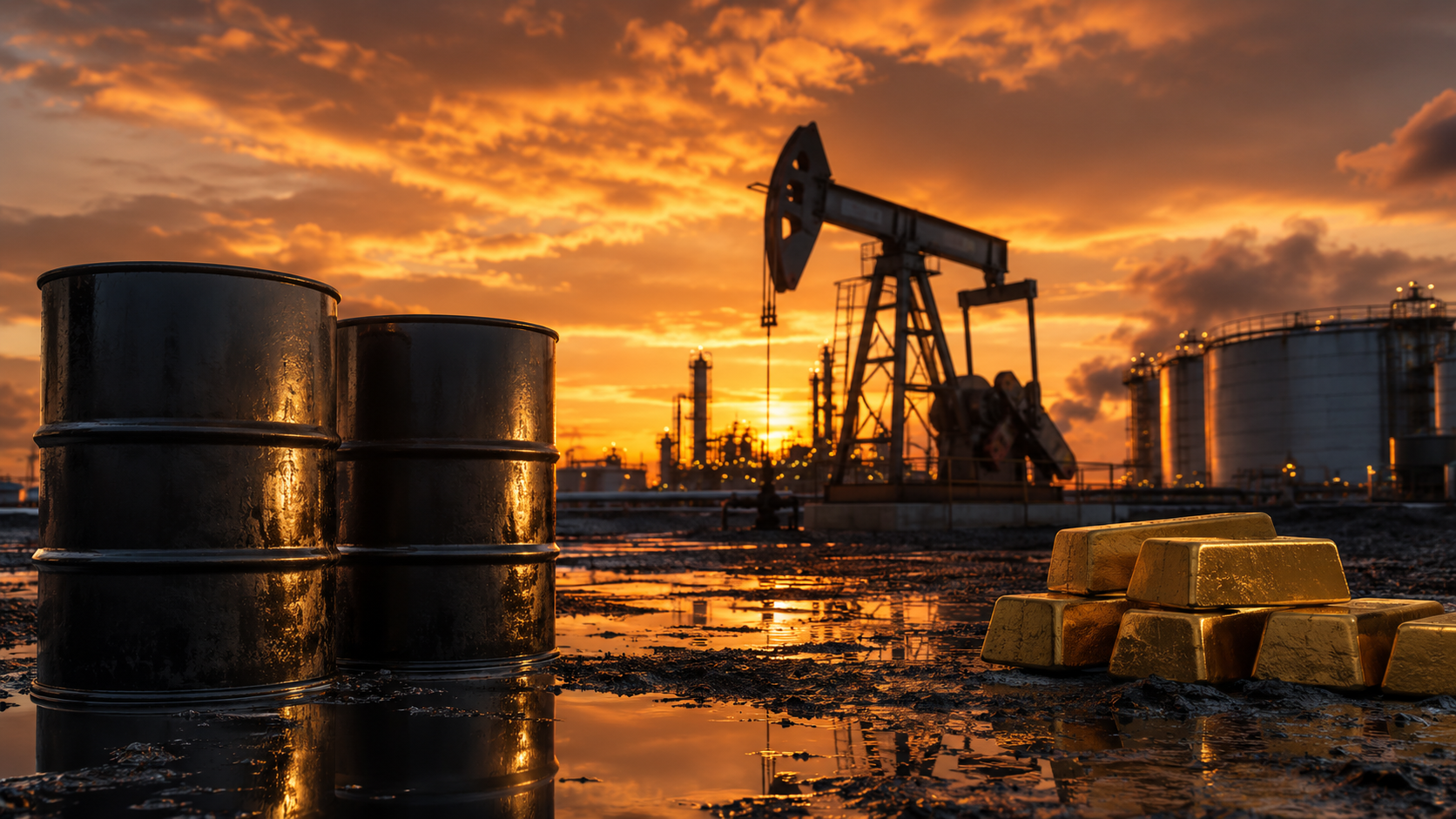
Crude’s renewed climb is pulling inflation risk back into focus, pressuring metals and reshaping investor expectations across energy, rates and consumer markets.
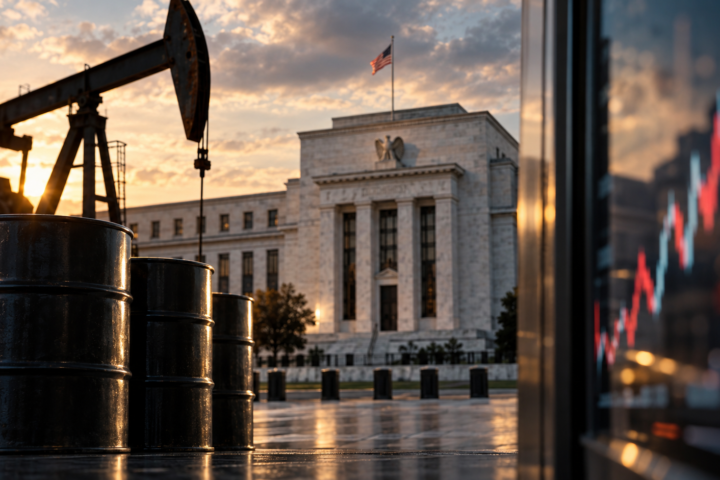
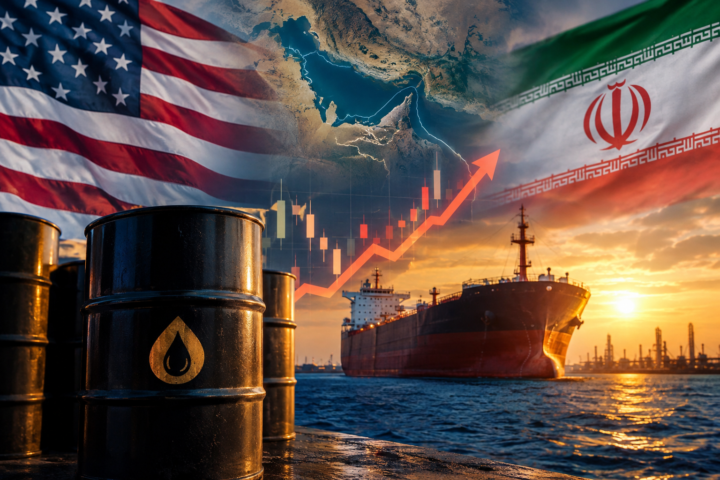
Oil again became the center of the commodity market’s attention as Brent crude pushed above $111 a barrel, reviving the inflation trade and forcing investors to reassess the durability of this year’s risk rally. The move came as Middle East tensions kept supply-risk premiums embedded in energy prices, while bond markets absorbed the prospect that higher fuel costs could complicate central-bank plans and extend the period of restrictive interest rates. Brent was recently quoted around $111 a barrel, up on the day and sharply higher over the past month, according to market data.
The immediate market reaction was familiar but uneven. Energy producers benefited from the prospect of stronger cash flow, while rate-sensitive and commodity-consuming sectors faced renewed pressure. Exxon Mobil (XOM), Chevron (CVX) and other integrated oil majors stand to gain from firmer crude prices, though the broader equity impact is more complicated. When oil rises because demand is improving, investors often view the move as confirmation of economic strength. When oil rises because of geopolitical disruption, the signal is less benign. The current advance looks closer to the second category.
That distinction matters for households and policymakers. Higher crude prices quickly feed into gasoline, diesel, jet fuel and shipping costs, raising the operating expenses of airlines, logistics firms, manufacturers and retailers. For consumers, the effect appears through fuel bills first and broader prices later. For central banks, it reopens a difficult question: whether to look through an energy shock as temporary or treat it as a risk that could become embedded in inflation expectations. Recent bond-market volatility suggests investors are leaning toward the latter possibility, at least for now.
Gold’s weakness underscores how this commodity cycle is not following the usual safe-haven script. In many periods of geopolitical stress, bullion rises as investors seek protection from uncertainty. This time, gold has fallen even as geopolitical concerns have intensified, with futures recently down near $4,549 a troy ounce and roughly 7% lower for the month. The pressure reflects a harsher interest-rate backdrop: if higher oil prices keep inflation elevated, central banks may have less room to cut rates, reducing the appeal of non-yielding assets such as gold.
That shift has made the commodities market more selective. Energy is trading on scarcity and geopolitical risk. Precious metals are trading on real yields and central-bank expectations. Industrial metals are caught between those forces, with copper and other growth-sensitive materials vulnerable when higher rates threaten manufacturing demand and construction activity. Recent reports of broad metals weakness show how quickly inflation fears can turn from a support for hard assets into a headwind for the parts of the complex most tied to global growth.
For investors, the key question is whether the oil move becomes self-limiting. At sufficiently high prices, crude can destroy demand by squeezing consumers and slowing travel, freight and industrial activity. It can also invite policy responses, including fuel subsidies, strategic reserve releases, pressure on producers or accelerated efforts to restrain consumption. Yet none of those mechanisms works instantly. In the near term, oil’s rise can act like a tax on the global economy while delivering a windfall to producers and exporters.
The corporate divide is already visible. Integrated oil companies can use high prices to fund dividends, buybacks and balance-sheet repair, though political scrutiny often rises alongside profits. Refiners may benefit if product margins widen, but they can be hurt if consumers pull back. Airlines and freight companies face the clearest cost risk, especially when fuel hedges roll off or ticket pricing cannot keep pace. Chemical producers, miners and manufacturers face a more mixed environment, with energy costs rising while demand visibility remains uncertain.
The stronger dollar implications also matter. If oil-driven inflation keeps U.S. rates higher for longer, the dollar could remain firm, creating additional pressure for emerging-market commodity importers that buy energy in dollars. That can worsen trade balances and strain government finances, particularly in economies already dealing with high borrowing costs. For commodity exporters, the same environment can provide fiscal relief, but only if volumes remain stable and domestic inflation does not erode the benefit.
Agricultural markets may become the next channel to watch. Energy prices influence fertilizer, transport and farm operating costs, meaning a prolonged crude rally can eventually raise food-price pressure. That effect is rarely immediate, but it can become politically sensitive because food and fuel together dominate household inflation perceptions. Even if core inflation measures remain contained, higher energy and food prices can change consumer behavior and complicate wage negotiations.
The current commodity backdrop therefore looks less like a broad boom than a stress test. Oil is strong because supply risk is commanding a premium. Gold is weaker because higher yields are overpowering geopolitical demand. Industrial metals are struggling because investors fear the growth consequences of tighter financial conditions. That combination points to a market where inflation protection is no longer as simple as buying the entire commodity basket.
For portfolio managers, energy exposure may still offer a hedge against geopolitical escalation, but it comes with cyclical risk if high prices begin to undermine demand. Gold may regain support if financial stress intensifies or central banks signal tolerance for inflation, but for now its performance is tied closely to rate expectations. Copper and other industrial metals likely need clearer evidence of resilient manufacturing demand or easier policy before regaining leadership.
The larger message is that commodities are again shaping the macro narrative rather than merely reacting to it. A sustained oil shock would touch inflation, interest rates, corporate margins, household budgets and political decisions. That makes Brent’s move above $111 more than a trading milestone. It is a reminder that the path of risk assets may depend as much on barrels, shipping lanes and fuel costs as on earnings forecasts and central-bank speeches.