A diplomatic push to halt the U.S.-Iran conflict eased pressure on energy markets, sending oil lower and giving global equities a reprieve after weeks of geopolitical strain.
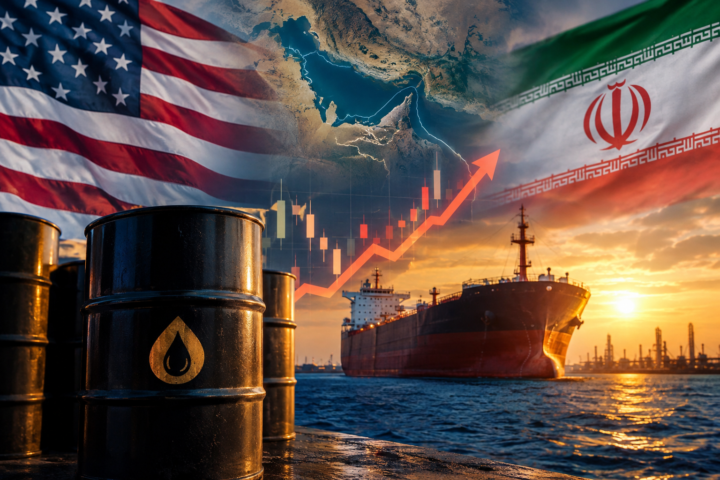
Global investors moved back toward risk assets Wednesday as signs of possible de-escalation in the Middle East triggered a sharp reversal across oil, equities and currencies, underscoring how heavily financial markets have been trading on the risk of disruption in the Strait of Hormuz. The shift followed China’s call for a comprehensive ceasefire in the U.S.-Iran conflict, a move that raised expectations that the most severe energy-supply shock of the year could begin to unwind. U.S. crude fell sharply, Brent retreated below recent crisis levels, and equity futures advanced as investors reassessed the inflation and growth risks embedded in the conflict.
The immediate market reaction was clearest in energy. Oil prices, which had surged as the conflict threatened flows through one of the world’s most important maritime chokepoints, dropped as traders priced in a lower probability of extended supply disruption. The decline weighed on major producers including Exxon Mobil (XOM) and Chevron (CVX), whose shares fell in premarket trading as investors rotated away from companies that had benefited from the geopolitical risk premium.
For the broader market, the prospect of lower crude prices is more than a relief rally. Energy costs had become a central risk to inflation expectations, corporate margins and consumer confidence. A sustained retreat in oil would ease pressure on airlines, transport operators, manufacturers and households, while giving central banks more room to focus on slowing growth rather than imported inflation. Airline and travel-related shares rose as lower jet-fuel expectations improved near-term margin assumptions, while technology and consumer stocks benefited from a broader improvement in sentiment.
The diplomatic backdrop remains fragile. China’s involvement reflects both its economic exposure to Gulf energy flows and its strategic interest in limiting a wider regional conflict. Beijing’s call for a ceasefire came as officials engaged with Iran, and markets interpreted the outreach as a sign that major powers may be converging around a negotiated pause. Still, the balance between diplomacy and military risk remains uncertain, and traders are likely to keep a premium in crude until shipping routes normalize and governments confirm the durability of any agreement.
Saudi Arabia’s pricing decisions showed how distorted the oil market had become before Wednesday’s easing. Saudi Aramco lowered the June price for its key Arab Light grade to Asia after a record-high May level, but the price remained historically elevated because of persistent supply concerns. Even with OPEC and its allies agreeing to lift production modestly, logistical limits and rerouted shipments through the Red Sea suggested that listed prices may understate the effective cost paid by some buyers.
That complexity matters for equity investors because the economic impact of an oil shock depends not only on futures prices but also on physical availability, freight costs and regional refining margins. A lower headline crude price may not immediately translate into lower delivered costs for Asian refiners or European industrial users if shipping remains disrupted. It may also take time for consumers to see relief at fuel pumps, especially in markets where taxes, currency moves and inventories slow the pass-through from crude to retail prices.
The rally in global equities also reflected positioning. Investors had been preparing for a prolonged period of elevated energy prices, weaker real incomes and delayed monetary easing. When the probability of a ceasefire appeared to rise, the resulting repricing favored cyclical and growth-sensitive assets. Emerging-market equities and currencies gained as investors reduced hedges against a prolonged oil shock and a stronger dollar.
Yet the market’s optimism is conditional. If negotiations stall or shipping disruptions continue, oil could rebound quickly and reverse much of the relief trade. The Strait of Hormuz remains central to global energy flows, and even a temporary blockade or insurance-driven shipping slowdown can raise costs for import-dependent economies. For Europe and Asia, the risk is particularly acute because higher dollar-denominated energy prices can widen trade deficits and complicate central-bank decisions.
For the U.S., the consequences are mixed. Lower oil prices help consumers and energy-intensive companies, but they pressure the earnings outlook for exploration and production companies. Exxon Mobil and Chevron remain financially resilient, with diversified operations and strong balance sheets, but their share-price sensitivity to crude highlights the rotation now underway. Investors who had bought energy as a hedge against conflict are reassessing whether that trade has run its course, while those who avoided airlines, semiconductors and consumer discretionary stocks are reconsidering exposure.
The broader lesson from Wednesday’s moves is that geopolitics has become a primary input into asset pricing rather than a background risk. Markets are no longer responding only to earnings, inflation reports and central-bank speeches. They are also reacting in real time to diplomatic signals, shipping-route decisions and the credibility of ceasefire discussions. That creates a trading environment in which cross-asset correlations can shift quickly, with oil, the dollar, bond yields and equities all responding to the same headline.
For now, investors appear willing to treat the latest diplomatic signals as meaningful, but not definitive. The fall in crude and rise in equity futures suggest relief rather than resolution. A durable market recovery will require evidence that energy flows are secure, that inflation expectations are stabilizing and that the conflict is not merely pausing before another escalation. Until then, the world economy remains exposed to the narrow waterways and fragile alliances that have once again become central to the direction of global markets.