A geopolitical relief rally can buy investors time, but it cannot replace earnings discipline, valuation restraint, or a credible inflation path.
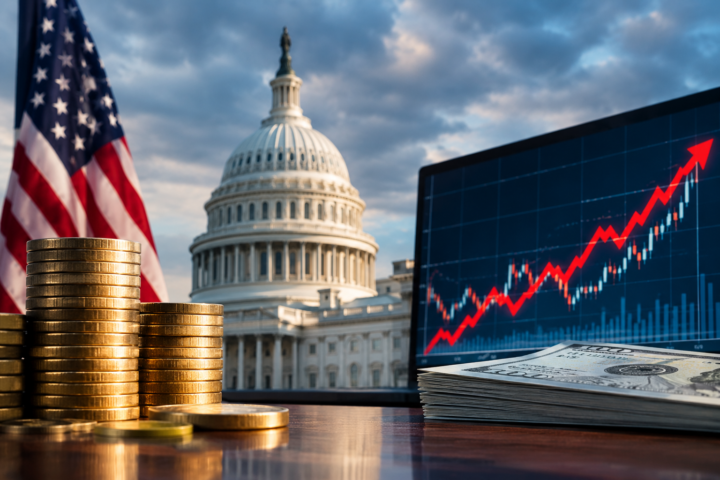
The sudden improvement in global risk appetite has given investors the kind of headline they have been waiting for: lower oil, softer bond yields, and a reduced probability that central banks will have to lean harder against inflation. European equities touched record highs as crude fell after reports of a U.S.-Iran agreement that could reopen the Strait of Hormuz, while traders cut the implied odds of a Federal Reserve rate increase this year from above 70% last week to about 53%.
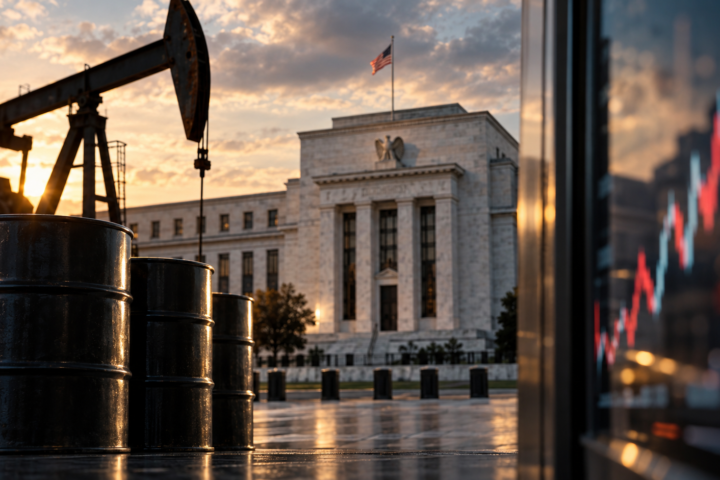
That is meaningful. Energy prices are not just another input in the inflation basket. They influence transport, manufacturing costs, household expectations, and, through gasoline and utility bills, the political tolerance for tight monetary policy. A drop in Brent crude toward the low $80s can ease pressure on consumers and companies alike, particularly after a period in which investors had been forced to price the risk of wider Middle East disruption. For equity markets, the removal of a major supply shock is worth celebrating.
But the celebration should be measured. Markets have a habit of confusing the easing of one risk with the disappearance of all risk. The difference matters now because the investment case for risk assets is already demanding. The SPDR S&P 500 ETF Trust (SPY) was recently trading around $741.75, near levels that imply investors are still willing to pay up for resilience, margin expansion, and artificial-intelligence-led growth despite sticky inflation and uneven consumer strength.
The first problem is that oil relief does not automatically solve core inflation. The latest market narrative has shifted because lower energy prices reduce the urgency of further rate increases. Yet the same reports driving the rally still point to a May consumer-price index running at a three-year high of 4.2%, a level that gives the Fed little room to declare victory. Investors may be right that a rate increase is less likely than it looked a week ago. They would be wrong to assume that rate cuts are therefore close at hand.
The second problem is concentration. The market’s leadership has become more complicated than the headline indexes suggest. The so-called Magnificent Seven have recently been a drag rather than a universal engine, with several mega-cap technology stocks down for the month even as broader measures have held up better. That broadening is healthy in one sense because a market less dependent on a few companies is usually more durable. It is also a warning that investors are beginning to discriminate between AI winners, AI spenders, and AI stories whose valuations outran cash-flow evidence.
NVIDIA Corp. (NVDA) remains central to that debate. Its stock was recently around $205.19, giving the chipmaker a market capitalization above $5 trillion and a price-to-earnings ratio near 31. Those numbers do not by themselves prove excess. Nvidia has delivered extraordinary earnings power and remains one of the clearest corporate beneficiaries of the AI infrastructure cycle. But they do show how little patience investors may have for any hint that demand, pricing, or capital spending discipline is peaking. In a market where a handful of companies have carried a large share of enthusiasm, “still growing” may no longer be enough. The question becomes whether growth is still surprising to the upside.
The bond market is sending a related message. Falling yields after an oil shock fades are understandable, but credit investors are not uniformly relaxed. Pimco has warned that default cycles are beginning to re-emerge in lower-quality debt, including leveraged and private lending markets, while arguing that higher-quality fixed income can now offer attractive returns with less volatility than equities. That is not a call to abandon stocks. It is a reminder that the end of one macro scare can expose the balance-sheet risks that easy narratives tend to hide.
This is where the popular “soft landing plus AI boom” thesis needs a more disciplined edit. The strongest version of that thesis remains plausible: oil falls, inflation expectations cool, the Fed stays patient, corporate earnings broaden beyond mega-cap technology, and capital spending on AI, energy, and defense creates a multi-year productivity and investment cycle. That combination would justify resilient equity valuations and could support further gains in cyclical, industrial, and select technology shares.
The weaker version is more dangerous: oil falls, traders assume the Fed has been neutralized, investors chase the same expensive growth stocks, and credit stress is dismissed because indexes remain near highs. That is not investing. It is extrapolation.
For households and portfolio managers, the practical conclusion is not to sell the rally reflexively. Relief rallies can extend, particularly when positioning has been defensive and when geopolitical risk premiums unwind quickly. Travel, industrial, consumer discretionary, and selected European equities may continue to benefit from cheaper energy and improved confidence. Energy producers, by contrast, could face margin pressure if crude weakness persists. The market is not moving on one variable, but the oil reset changes the distribution of winners and losers.
Still, lower oil should be treated as a cushion, not a foundation. A durable bull market needs earnings growth that is not confined to AI infrastructure, inflation that falls without a labor-market crack, and a Fed communication framework that keeps volatility contained as leadership settles into its new policy rhythm. Reports that investors are watching how Fed Chair Kevin Warsh handles communication underscore how sensitive this market has become to policy signals, especially with inflation elevated and technology valuations high.
The risk is not that investors are optimistic. Optimism has been rewarded repeatedly in this cycle. The risk is that they are becoming selective only after prices have already embedded a great deal of good news. Cheaper oil improves the macro picture. It does not make every expensive stock cheap, every leveraged borrower safe, or every AI capital-spending plan profitable.
Markets have earned their relief. They have not earned complacency.