Diplomatic Hopes Ease Global Market Anxiety as Oil Prices Retreat
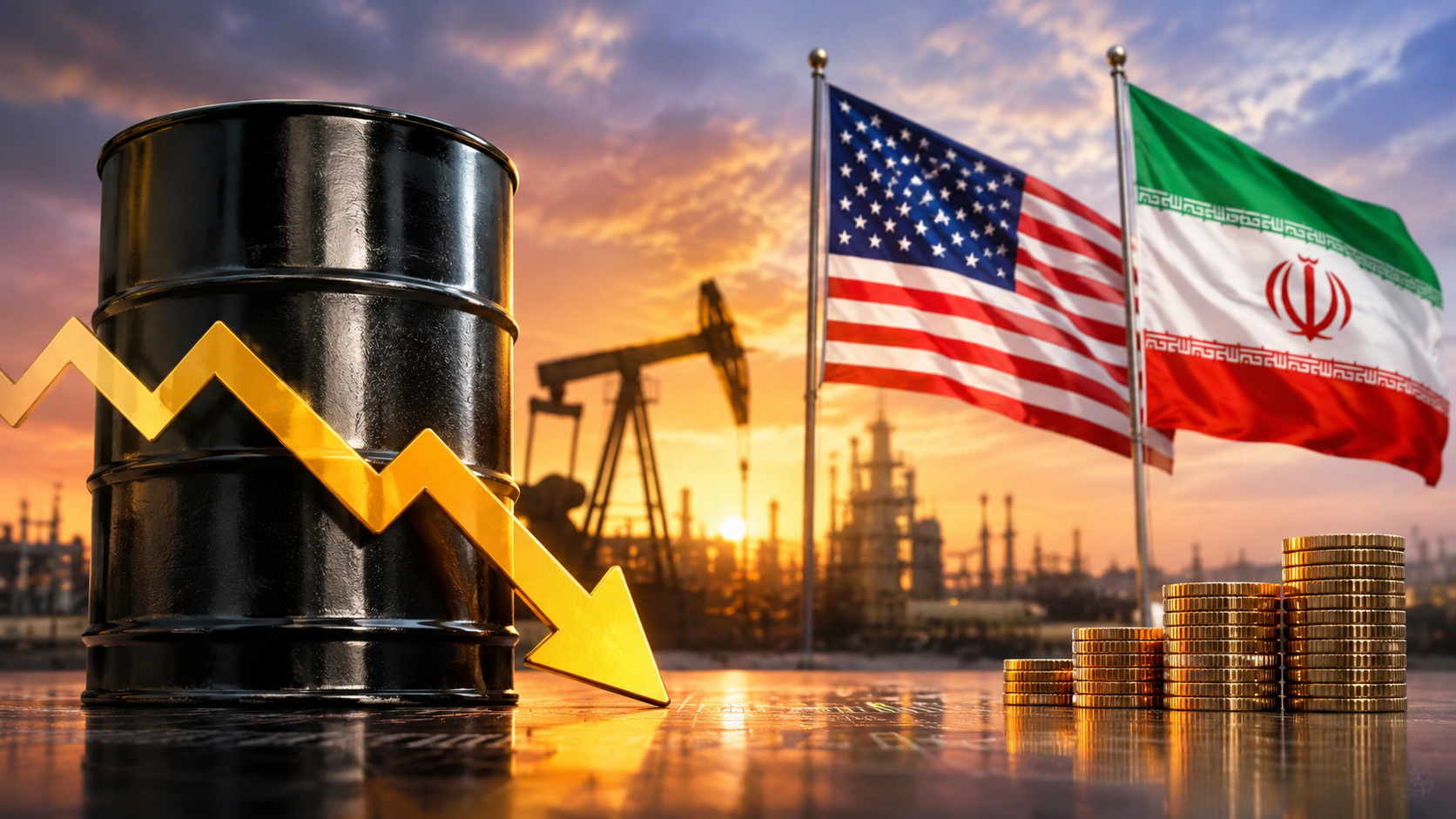
Geopolitical developments are once again demonstrating how quickly international conflicts can reshape financial markets. On November 10, global equities gained ground while crude oil prices moved lower after U.S. President Donald Trump indicated that additional military strikes against Iran might no longer be necessary. For investors, the shift represents more than a diplomatic headline: it could signal a changing outlook for energy prices, inflation, corporate profitability and global risk appetite.
Brent crude declined by more than 2%, moving below $90 per barrel, as markets responded to growing expectations that diplomatic efforts could eventually bring the nine-month conflict to an end. The possibility of reduced tensions has encouraged investors to reconsider the geopolitical risk premium embedded in oil prices and other financial assets.
At the same time, international attention is turning toward U.S.-mediated negotiations involving Russia and Ukraine, scheduled to take place in Abu Dhabi on November 10–11. Although these diplomatic developments do not guarantee an immediate resolution to either conflict, they introduce the possibility of a less volatile geopolitical environment.
For investors, the central question is whether the latest diplomatic signals represent the beginning of a sustained reduction in geopolitical risk or simply a temporary improvement in market sentiment.
Why the U.S.-Iran Situation Matters to Global Financial Markets
The conflict involving Iran has been particularly important to financial markets because of the country’s strategic position in the global energy system.
One of the most significant concerns is the Strait of Hormuz, a critical maritime passage connecting the Persian Gulf with international markets. According to the U.S. Energy Information Administration (EIA), approximately one-fifth of global petroleum liquids consumption passes through this waterway under normal market conditions.
Any disruption to shipping through the strait can create immediate concerns about oil availability, transportation costs and energy security.
When geopolitical tensions intensify, energy traders often incorporate additional risk premiums into crude oil prices. These premiums reflect the possibility of supply disruptions, shipping restrictions, military escalation and higher insurance costs.
Conversely, signs of diplomatic progress can reduce those premiums. The latest decline in Brent crude suggests that some investors are becoming less concerned about an extended disruption to regional energy supplies.
However, lower oil prices do not necessarily indicate that the underlying geopolitical risks have disappeared. Markets can reverse direction quickly if negotiations fail or tensions escalate again.
Falling Oil Prices Could Help Ease Inflationary Pressures
One of the most important economic consequences of a sustained decline in crude oil prices would be its potential effect on inflation.
Energy costs influence a wide range of economic activities, including transportation, manufacturing, electricity generation, agriculture and logistics. When oil prices decline, businesses may benefit from lower fuel and transportation expenses, potentially reducing operating costs.
For the United States, cheaper energy could also help moderate headline consumer inflation, depending on how long the price decline lasts and how quickly lower wholesale costs reach consumers.
This development matters because inflation remains an important consideration for Federal Reserve monetary policy.
If energy prices continue falling and broader inflation indicators also improve, policymakers could gain additional flexibility in considering future interest-rate decisions. Lower borrowing costs, if eventually implemented, could support business investment, consumer spending and equity valuations.
Nevertheless, investors should not assume that a temporary decline in crude prices will automatically lead to Federal Reserve rate cuts. Core inflation, employment conditions, wage growth and services prices remain important factors in monetary policy decisions.
Which Sectors Could Benefit From Lower Oil Prices?
A sustained decline in crude oil prices could create different opportunities and challenges across the stock market.
1. Airlines and Transportation
Airlines are among the businesses particularly sensitive to fuel expenses. Jet fuel represents a significant operating cost, meaning lower energy prices could improve profitability if passenger demand remains healthy and ticket prices do not decline excessively.
Trucking, shipping and logistics companies could also benefit from reduced fuel expenses.
Investors may want to monitor airline and transportation earnings reports for evidence that lower energy costs are translating into stronger operating margins.
2. Consumer Discretionary and Retail
Lower gasoline prices can leave households with more disposable income for other purchases. If sustained, this could support consumer spending on retail products, travel, restaurants and leisure activities.
Companies serving price-sensitive consumers could benefit from improved household purchasing power, although employment conditions and borrowing costs will remain important influences.
3. Manufacturing and Industrial Companies
Energy-intensive manufacturers could experience lower production and transportation expenses. Businesses involved in chemicals, industrial materials and logistics may benefit if falling oil prices translate into lower input costs.
However, the benefits will vary depending on individual companies’ energy exposure, pricing power and supply-chain arrangements.
4. Energy Producers
The outlook for oil producers is more complicated. Lower crude prices can reduce revenue expectations and put pressure on profit margins, particularly for companies with higher production costs.
Integrated energy companies may have some protection through diversified operations, including refining and natural gas activities. Nevertheless, investors should pay close attention to production costs, debt levels and capital expenditure plans.
Russia-Ukraine Negotiations Add Another Geopolitical Variable
Beyond the Middle East, the planned U.S.-mediated Russia-Ukraine negotiations in Abu Dhabi on November 10–11 could influence investor sentiment.
The conflict has affected global energy markets, agricultural trade, defense spending and European economic conditions. Any credible progress toward reducing hostilities could improve expectations for regional stability and international trade.
For European markets in particular, a sustained reduction in geopolitical uncertainty could support confidence among businesses and investors.
However, diplomatic meetings should not be confused with an agreement. Investors need to distinguish between announcements, negotiating progress and actual changes in military or economic conditions.
The outcome of the Abu Dhabi discussions could therefore become another important market catalyst during an already sensitive period for global financial markets.
What Investors Should Watch Next
Several developments could determine whether the current improvement in market sentiment continues.
Oil price movements: Brent crude’s ability to remain below $90 per barrel will be an important indicator of whether markets are pricing in a sustained reduction in geopolitical risk.
U.S.-Iran diplomatic developments: Any formal progress toward negotiations, agreements or reduced military activity could further influence energy markets.
Strait of Hormuz shipping conditions: Investors should monitor tanker movements, shipping insurance costs and official statements concerning maritime security.
U.S. inflation data: Upcoming consumer and producer inflation reports will help investors assess whether lower energy prices are contributing to broader disinflation.
Federal Reserve policy: Changes in inflation expectations and interest-rate forecasts could influence Treasury yields, the U.S. dollar and equity valuations.
Russia-Ukraine negotiations: The November 10–11 discussions could provide additional signals about geopolitical stability and the outlook for international energy and agricultural markets.
Key Investment Insight: Focus on the Difference Between Diplomatic Optimism and Fundamental Change
The latest market reaction highlights an important lesson for investors: geopolitical developments can create rapid changes in asset prices, but short-term sentiment does not always translate into lasting economic improvement.
Lower crude oil prices could benefit transportation, manufacturing and consumer-facing businesses while creating challenges for oil producers. Meanwhile, a sustained reduction in energy costs could help moderate inflation and potentially improve the outlook for interest-rate-sensitive investments.
However, investors should avoid making major portfolio decisions based solely on optimistic diplomatic headlines.
A more disciplined approach is to monitor oil-price trends, inflation expectations, corporate earnings and developments in international negotiations together. Diversification across sectors and careful attention to individual company fundamentals remain important when geopolitical uncertainty is elevated.
For long-term investors, the potential easing of geopolitical tensions could create opportunities, but confirmation through actual developments will be essential.
Geopolitical Developments Could Shape the Next Market Direction
November 10’s market movement illustrates the close relationship between international diplomacy and financial performance. Falling oil prices and stronger global equities suggest that investors are responding positively to the possibility of reduced tensions between Washington and Tehran.
Yet the situation remains fluid. The progress of U.S.-Iran diplomacy, the outcome of Russia-Ukraine negotiations and the direction of global energy prices will help determine whether the latest optimism develops into a more durable market trend.
For investors, the coming days could offer important signals about inflation, energy-sector profitability and the broader global economic outlook.
Stay informed with Stockmarket-news for the latest developments in global markets, geopolitical events and investor-focused analysis. We bring you the news and insights that matter as international events shape financial markets and investment opportunities.