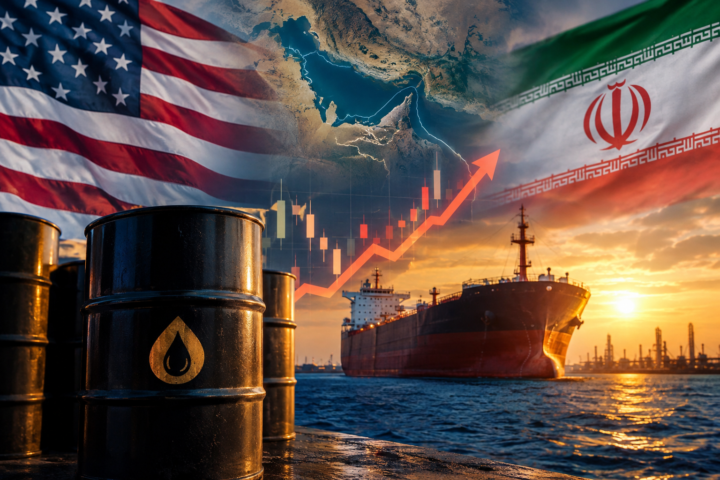
A sharp retreat in crude prices shows how quickly geopolitical fear can unwind when diplomacy improves and producers prepare to add supply.
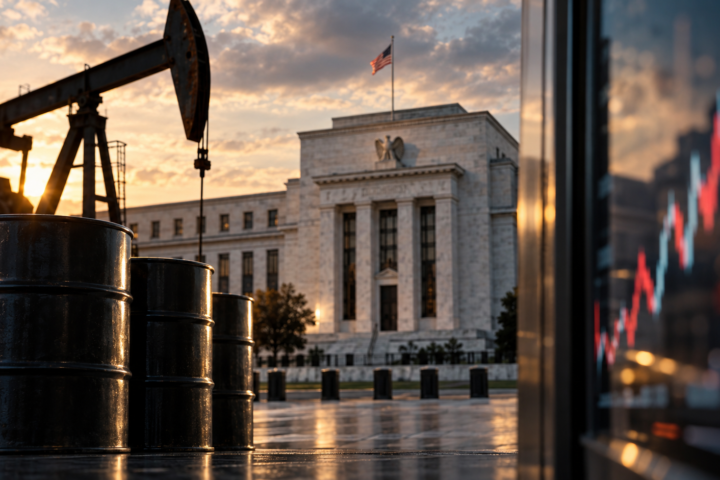
Oil prices fell sharply Monday after signs of renewed diplomacy between the United States and Iran reduced fears of an immediate military confrontation that could disrupt exports through the Strait of Hormuz. The decline was reinforced by another planned production increase from OPEC+, leaving traders to reassess how much geopolitical risk should remain embedded in crude prices after July’s powerful rally.
Brent crude dropped about 5% to roughly $83.50 a barrel in early trading, while West Texas Intermediate fell more than 6% to near $79.50. The pullback followed gains of more than 20% during July, when escalating tensions around Iran and threats to regional shipping pushed investors to price in a greater probability of supply losses.
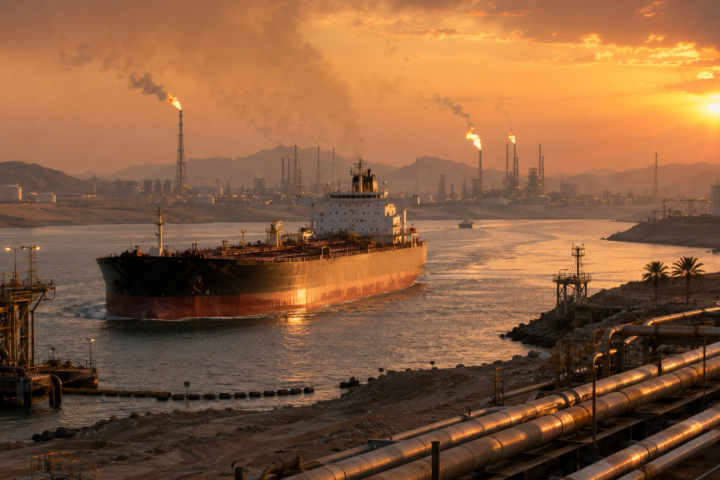
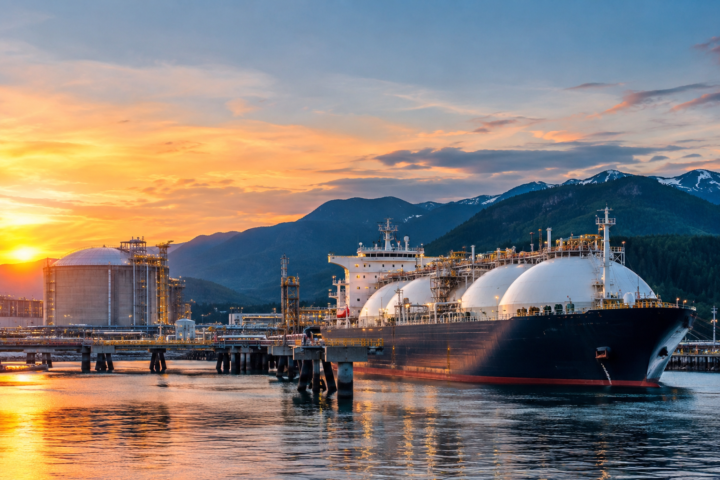
The immediate catalyst was President Donald Trump’s decision to postpone military action and pursue talks with Tehran. The announcement encouraged expectations that negotiations could ease tensions surrounding the Strait of Hormuz, the narrow shipping corridor through which a substantial share of internationally traded oil and liquefied natural gas moves.
The market’s response illustrates the outsized influence of perceived disruption risk on energy prices. Oil does not need to disappear from the market for prices to rise. The possibility that tankers, terminals or production facilities could be threatened is often enough to prompt refiners, trading houses and financial investors to pay more for prompt barrels and protection against further increases.
That premium can also evaporate rapidly. Monday’s decline suggests traders had accumulated positions that depended on continued escalation. Once diplomacy appeared more likely, investors moved to reduce those positions, accelerating the fall.
Yet the geopolitical threat has not disappeared. Iranian officials have offered a more cautious description of the diplomatic outlook, creating uncertainty over whether negotiations will produce a lasting agreement. Discussions involving the Strait of Hormuz may reduce the probability of an immediate shock, but they do not guarantee that normal shipping conditions will return quickly or remain stable.
The consequences of any prolonged disruption would extend well beyond oil futures. European and Asian economies remain particularly exposed to changes in imported energy costs. A sustained blockage or reduction in traffic through Hormuz could lift fuel prices, increase transportation and manufacturing expenses, and complicate efforts by central banks to manage inflation. British economic projections have warned that an extended closure could materially weaken growth while pushing consumer energy costs higher.
For now, however, the decline in crude offers relief to policymakers. Falling energy prices can lower headline inflation, reduce pressure on household budgets and ease operating costs for airlines, chemical producers, logistics companies and other fuel-intensive businesses. Government bond yields also moved lower as traders reduced expectations that an oil-driven inflation shock would force central banks to maintain tighter monetary policy for longer.
The second source of pressure came from OPEC+. The producer alliance agreed to raise output by 188,000 barrels a day in September, continuing a gradual reversal of voluntary supply cuts introduced in 2023. It will be the sixth consecutive monthly increase and will complete the planned restoration of approximately 1.65 million barrels a day of previously withheld production.
The timing is significant. OPEC+ is adding barrels just as geopolitical concerns are moderating and investors are questioning the durability of global demand. Additional production gives consumers a larger cushion against potential disruptions, but it also risks creating excess supply if economic growth weakens or if demand from China and other large importers fails to meet expectations.
The group’s strategy reflects a difficult balance. Saudi Arabia and its partners want to defend prices and preserve revenue, but they also want to reclaim market share surrendered during years of production restraint. Higher prices encourage output growth from producers outside the alliance, particularly in the United States, Brazil, Canada and Guyana. Keeping too much supply offline can therefore support competitors while limiting OPEC+ members’ own sales.
For large integrated energy companies, the retreat in crude is a reminder that earnings momentum remains closely tied to factors outside management control. Exxon Mobil (XOM), Chevron (CVX) and Shell (SHEL) benefit when higher oil prices expand upstream margins, but sustained volatility complicates investment planning, shareholder distributions and refining decisions.
Shell is particularly exposed to the wider strategic debate within the energy sector. The company has continued to emphasize oil and natural gas as core sources of cash generation, even as governments and investors press producers to expand lower-carbon businesses. A crude price above $80 a barrel remains supportive for major producers, but a further decline would sharpen questions about capital spending and the sustainability of exceptionally strong returns to shareholders.
Consumers and transportation companies are positioned differently. Airlines and parcel-delivery businesses could benefit if the decline filters through to jet fuel and diesel. Lower gasoline prices would also leave households with more disposable income, particularly in North America, where driving demand is highly sensitive to retail fuel costs. The effect will depend on refining margins, currency movements and the speed with which wholesale declines reach consumers.
Gold edged higher as oil fell, helped by a softer dollar and reduced concern that an energy shock would produce another wave of inflation. New York gold futures traded near $4,114 an ounce, though the move appeared more consistent with a technical rebound than a broad flight toward traditional safe-haven assets.
That divergence is important. During a conventional geopolitical crisis, oil and gold can rise together as investors seek protection from supply disruption and political instability. Monday’s market instead reflected a partial unwinding of crisis trades. Crude lost its disruption premium, while gold benefited from lower yields and a weaker dollar.
The next phase will depend on whether diplomatic headlines translate into verifiable changes in shipping conditions and regional security. Traders will also monitor physical crude flows, tanker insurance costs, inventories and OPEC+ compliance rather than relying solely on political statements.
Oil’s steep decline does not necessarily signal the end of the energy shock. It shows that prices had moved far enough to require continuing evidence of disruption. Without that evidence, rising OPEC+ supply and uncertain demand become more influential.
For investors, the central lesson is that the oil market remains caught between two powerful forces: a geopolitical backdrop capable of producing sudden supply fears and a production system that is gradually bringing more barrels back to market. Monday belonged to diplomacy and supply. That balance could change again with a single headline.