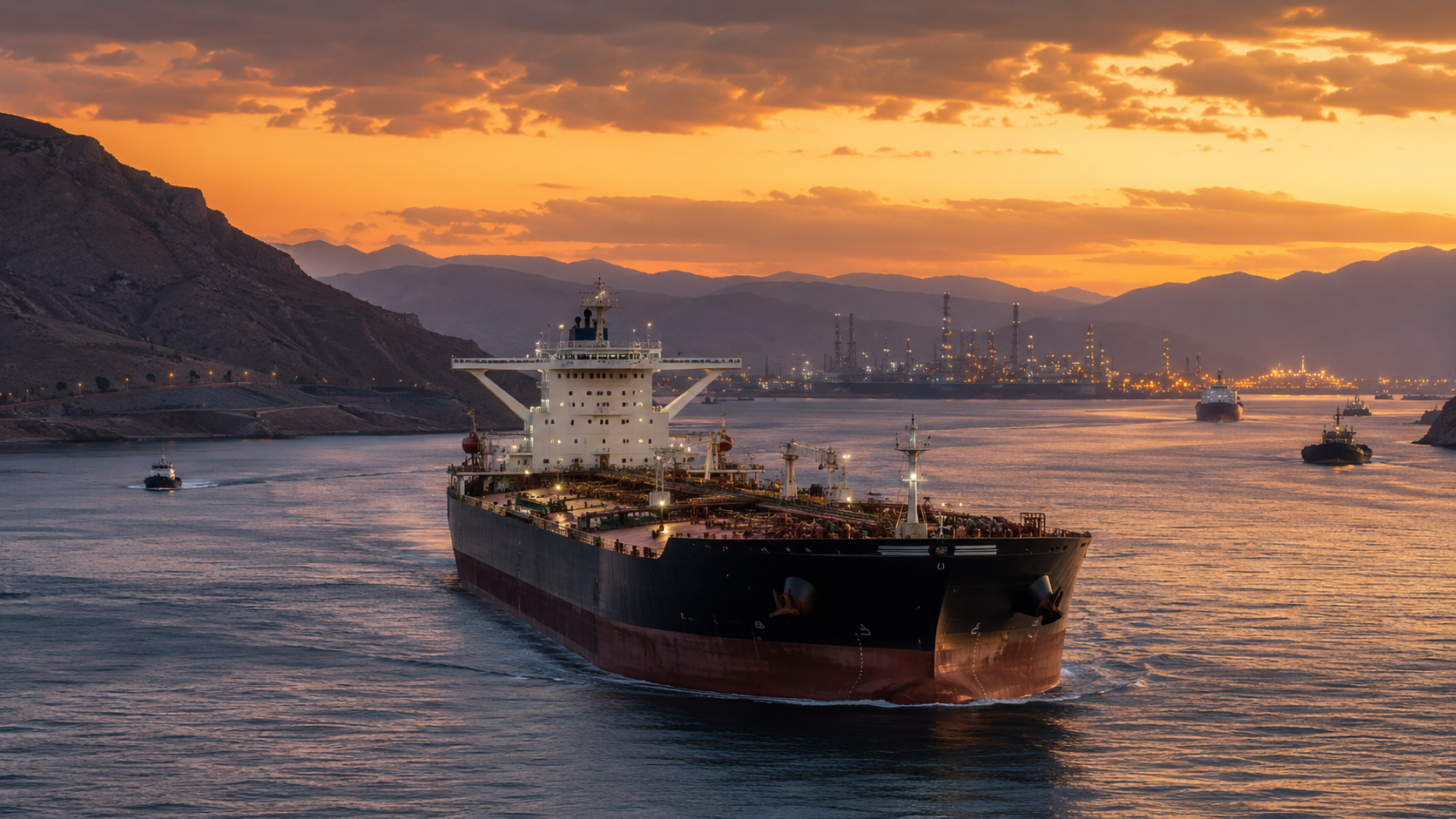
Global stocks advanced as investors weighed tentative U.S.-Iran diplomacy against the inflationary threat of elevated crude prices and fragile growth across Europe and Asia.
Global markets ended the week with a familiar contradiction: equities were rising, yet the reason for caution had hardly faded. Shares in Asia, Europe and U.S. futures moved higher Friday as investors took encouragement from signs of diplomatic movement around the U.S.-Iran conflict, but oil prices remained elevated and the dollar stayed near a six-week high, underscoring how quickly a geopolitical shock can reshape the investment landscape. Brent crude traded around $105 a barrel and U.S. crude near $98, with traders still pricing the risk of disruption around the Strait of Hormuz, one of the world’s most important energy corridors.
The immediate market reaction was constructive. Japan’s Nikkei 225 rose sharply to a record high, European benchmarks advanced, and Wall Street futures pointed higher before the long U.S. holiday weekend. Technology shares helped lift sentiment, even as the broader macroeconomic backdrop remained more complicated than the headline gains suggested. In energy markets, the persistence of high crude prices has strengthened the earnings outlook for producers such as Exxon Mobil (XOM), but it has also revived concerns that households, manufacturers and central banks may soon face another round of inflation pressure.
For investors, the central question is whether markets are looking through a temporary shock or underestimating a more durable shift in the global economy. Equity gains imply confidence that diplomacy can contain the conflict and preserve the basic functioning of trade routes. Bond markets are sending a more cautious signal. U.S. Treasury yields eased Friday, German Bund yields declined after soft business readings, and U.K. gilt yields fell following weak retail sales, suggesting investors still see growth risks building beneath the surface.
Europe looks especially exposed. The German Ifo business climate index improved slightly in May but remained weak by historical standards, reinforcing concerns that the region’s largest economy is struggling to regain momentum. In Britain, April retail sales fell 1.3%, while public borrowing exceeded expectations at £24.3 billion, highlighting the squeeze on consumers and the fiscal limits facing policymakers. Those figures matter beyond national borders because Europe is entering this energy-price shock with limited room for error. Growth is soft, fiscal positions are stretched, and rate cuts are harder to deliver when oil is pushing headline inflation higher.
The global economy had already been slowing before the latest Middle East tensions intensified. The International Monetary Fund’s April outlook described a world economy facing softer growth and renewed inflationary pressures, while the United Nations projected global growth of 2.7% in 2026, below both 2025 levels and the pre-pandemic average. Those forecasts frame the current market moment: investors are not simply reacting to a geopolitical event, but to a geopolitical event arriving at a time when trade tensions, fiscal strains and borrowing costs have already narrowed the path to a benign outcome.
Oil is the clearest transmission channel. Higher crude prices support energy companies, improve cash flow across the exploration and production sector, and can benefit integrated majors with strong upstream exposure. Exxon Mobil (XOM), Chevron (CVX), Shell (SHEL) and BP (BP) become natural market hedges when geopolitical risk lifts the energy complex. Yet the same move acts like a tax on consumers and energy-intensive businesses, from airlines to chemicals to logistics companies. A sustained oil price near current levels would complicate disinflation, reduce disposable income and make central banks more cautious about easing policy.
That matters because the recent equity rally has depended heavily on the assumption that inflation will remain manageable while earnings keep expanding. If higher energy prices prove temporary, investors can treat the shock as a volatility event. If crude stays elevated, the market must reprice not only inflation but margins, consumer demand and interest-rate expectations. The burden would be uneven. Energy producers and defense-linked businesses could benefit, while retailers, transportation companies and lower-income households would absorb the pressure first.
Currency markets are also reflecting the risk balance. The dollar’s strength near a six-week high points to demand for liquidity and safety, even as equities advance. A stronger dollar can tighten financial conditions outside the U.S., particularly for emerging markets with dollar-denominated debt or heavy import bills. For countries that import most of their energy, the combination of expensive crude and a firm dollar can quickly worsen trade balances and domestic inflation. That dynamic can force central banks in vulnerable economies to defend currencies rather than support growth.
The more optimistic interpretation is that markets are correctly anticipating a diplomatic off-ramp. Reports of progress in talks have helped stabilize sentiment, and investors have repeatedly shown a willingness to buy risk assets when worst-case geopolitical scenarios fail to materialize. Global supply chains have also become more adaptive since the pandemic, with companies holding more inventory, diversifying suppliers and building flexibility into logistics networks. That resilience reduces the probability that a localized disruption turns into a full global stoppage.
Still, resilience is not the same as immunity. The world economy is now operating with higher defense spending, more fragmented trade flows and less confidence in the old assumptions of open routes and predictable policy. Markets can rally through that environment, but the quality of the rally matters. Gains led by technology, energy and large-cap defensives may conceal weaker signals from small businesses, consumers and cyclical industries.
The lesson from Friday’s trading is therefore not that investors have stopped worrying about the Middle East. It is that they are balancing two competing forces: the hope that diplomacy can prevent an oil-driven inflation shock, and the recognition that global growth is too fragile to absorb many more disruptions. Exxon Mobil and other energy majors may remain supported as long as crude prices stay elevated, but the broader market’s advance will depend on whether oil risk begins to fade before it reaches consumer prices, corporate margins and central-bank policy.
For now, the rally is real, but so is the vulnerability beneath it. Investors are treating the conflict as containable, not irrelevant. That distinction may define the next phase of global markets.