Washington is expanding secondary-sanctions risk across global trade and finance, raising the stakes for China, energy markets and companies exposed to the dollar system.
The United States has opened a broader phase of its economic campaign against Iran, threatening foreign companies and financial intermediaries with exclusion from the dollar-based financial system if they continue supporting Tehran, a move that could reshape energy trade and deepen tensions between Washington and Beijing.
The latest measures extend potential secondary sanctions into digital assets, technology, gold, aviation and shipping, while placing roughly 60 Iran-linked individuals, companies and vessels under direct restrictions. The breadth of the action matters more than the number of names added to sanctions lists. Washington is signaling that businesses outside Iran can face consequences even when their activities are legal under their own domestic rules if those transactions help Tehran generate revenue or move money internationally.
The immediate focus is China, Iran’s most important economic partner and the largest buyer of its exported crude. Beijing rejected the U.S. approach Tuesday, saying it opposed unilateral sanctions lacking United Nations authorization and would take necessary measures to protect Chinese interests. That response leaves the world’s two largest economies heading toward another potential confrontation just as Washington tries to convince foreign governments, refiners, banks and shipping companies that the cost of maintaining Iranian relationships is becoming too high.
For investors, the critical question is how aggressively Washington enforces the new framework. The first round stopped short of sanctioning major Chinese financial institutions believed to facilitate parts of Iran’s oil trade. That restraint suggests U.S. officials are seeking to increase pressure without triggering an abrupt disruption to global banking or energy markets. Treasury Secretary Scott Bessent has indicated that foreign institutions will receive time to adjust before tougher penalties are imposed, leaving room for diplomacy while preserving the threat of escalation.
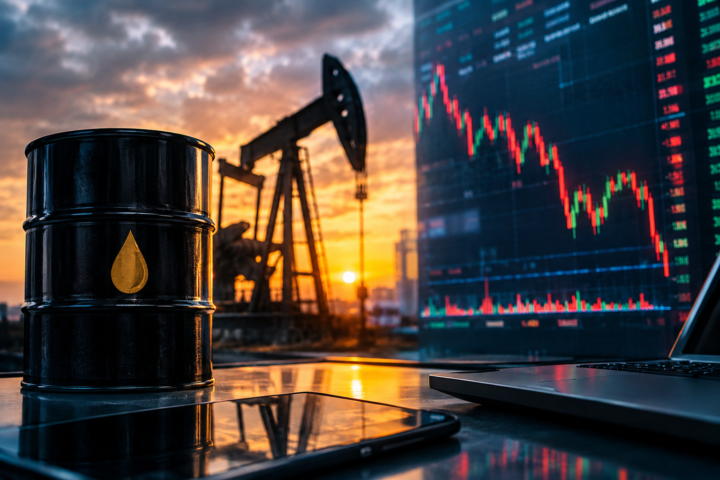
Oil markets initially treated that sequencing as less disruptive than feared. Brent crude fell toward $88 a barrel Tuesday and U.S. crude traded near $82, even as geopolitical risks remained elevated. The decline suggests traders are distinguishing between a sanctions announcement and an immediate reduction in physical supply. Iranian barrels have continued reaching customers through alternative payment channels, intermediaries and a shadow shipping fleet despite years of restrictions, making enforcement against buyers, banks and logistics providers the decisive factor.
That distinction is particularly important for companies such as Exxon Mobil (XOM), whose earnings are highly sensitive to sustained changes in crude prices. A sanctions regime that materially reduces Iranian exports could tighten global balances and support higher prices for major producers. A campaign that mainly reroutes Iranian supply, increases discounts and raises transportation costs would have a smaller effect on benchmark prices while increasing volatility for refiners and shipping companies.
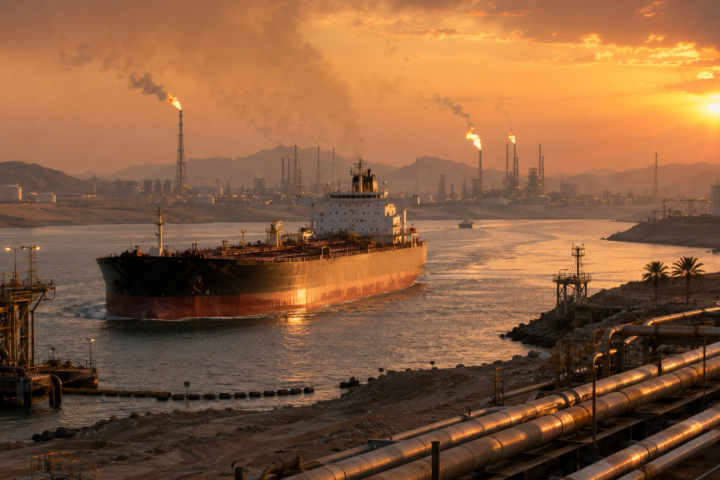
The Strait of Hormuz remains the larger physical risk. An oil tanker was disabled Tuesday after being struck near the strategically important waterway, highlighting the fragility of shipping conditions despite diplomatic efforts to reduce tensions. The strait is a central artery for energy exports from the Persian Gulf, meaning even temporary disruptions can influence crude, liquefied natural gas, insurance and freight markets far beyond Iran itself.
That helps explain why Washington’s economic strategy carries global inflation implications. Energy prices rose sharply earlier in the year after conflict disrupted regional flows, contributing to renewed pressure on transportation and production costs. The global economy has nevertheless remained more resilient than initially expected, supported by stronger European growth and investment linked to artificial intelligence in the U.S. and East Asia. S&P Global Market Intelligence currently estimates 2026 global growth at about 2.4%, though that remains below projections made before the Middle East conflict intensified.
A renewed oil shock would complicate that outlook. Central banks are already balancing stubborn inflation against signs of weaker employment and uneven manufacturing activity. Higher freight and energy costs would feed into those calculations, particularly in economies that import most of their fuel. Europe, Japan and parts of emerging Asia would generally face a larger direct burden than the United States, which has substantial domestic energy production.
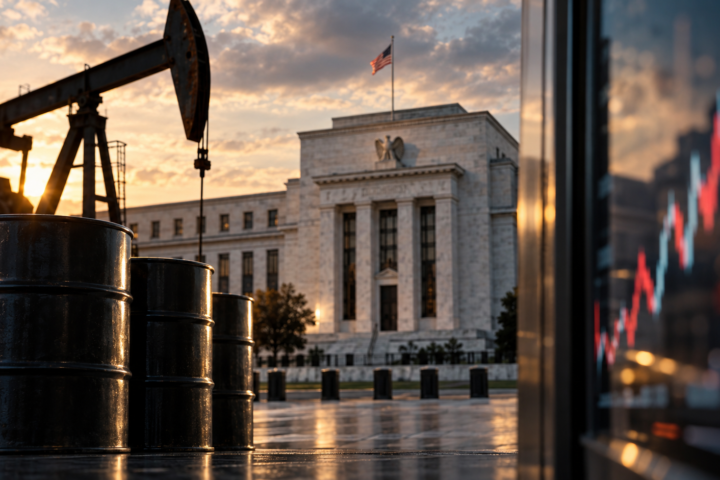
There is also a financial-system dimension. Secondary sanctions derive much of their power from the central role of the dollar in global trade and banking. Foreign institutions may have limited direct exposure to the U.S. economy yet still depend on dollar clearing, correspondent banking relationships or access to U.S. capital markets. The prospect of losing those connections can make American sanctions effective well beyond U.S. borders.
That leverage also creates risk for Washington. Applying penalties aggressively against major Chinese banks could disrupt transactions unrelated to Iran and intensify efforts by Beijing and other governments to build payment systems less dependent on the dollar. U.S. officials therefore face a difficult calibration problem: sanctions must be credible enough to change commercial behavior without becoming so broad that they destabilize the financial infrastructure that gives them their force.
Markets appear to recognize that balance. The dollar was broadly steady Tuesday, while the 10-year U.S. Treasury yield eased to around 4.89%. Equity futures advanced even as investors monitored geopolitical developments, suggesting the sanctions announcement has not yet been interpreted as an immediate systemic shock.
The next phase will depend less on rhetoric than enforcement. Measures against large financial institutions, refiners or shipping networks would represent a significant escalation, particularly if they involve China. Conversely, exemptions, compliance periods and renewed negotiations could allow Washington to maintain pressure while limiting the damage to global trade.
For investors, Iran has therefore become more than an oil story. The expanding sanctions campaign now touches banking, shipping, technology, currencies and the geopolitical relationship between Washington and Beijing. If enforcement remains gradual, markets may continue treating the measures as a manageable risk premium. If the U.S. begins forcing major international institutions to choose between Iranian commerce and access to the dollar system, the consequences could spread quickly across asset classes.