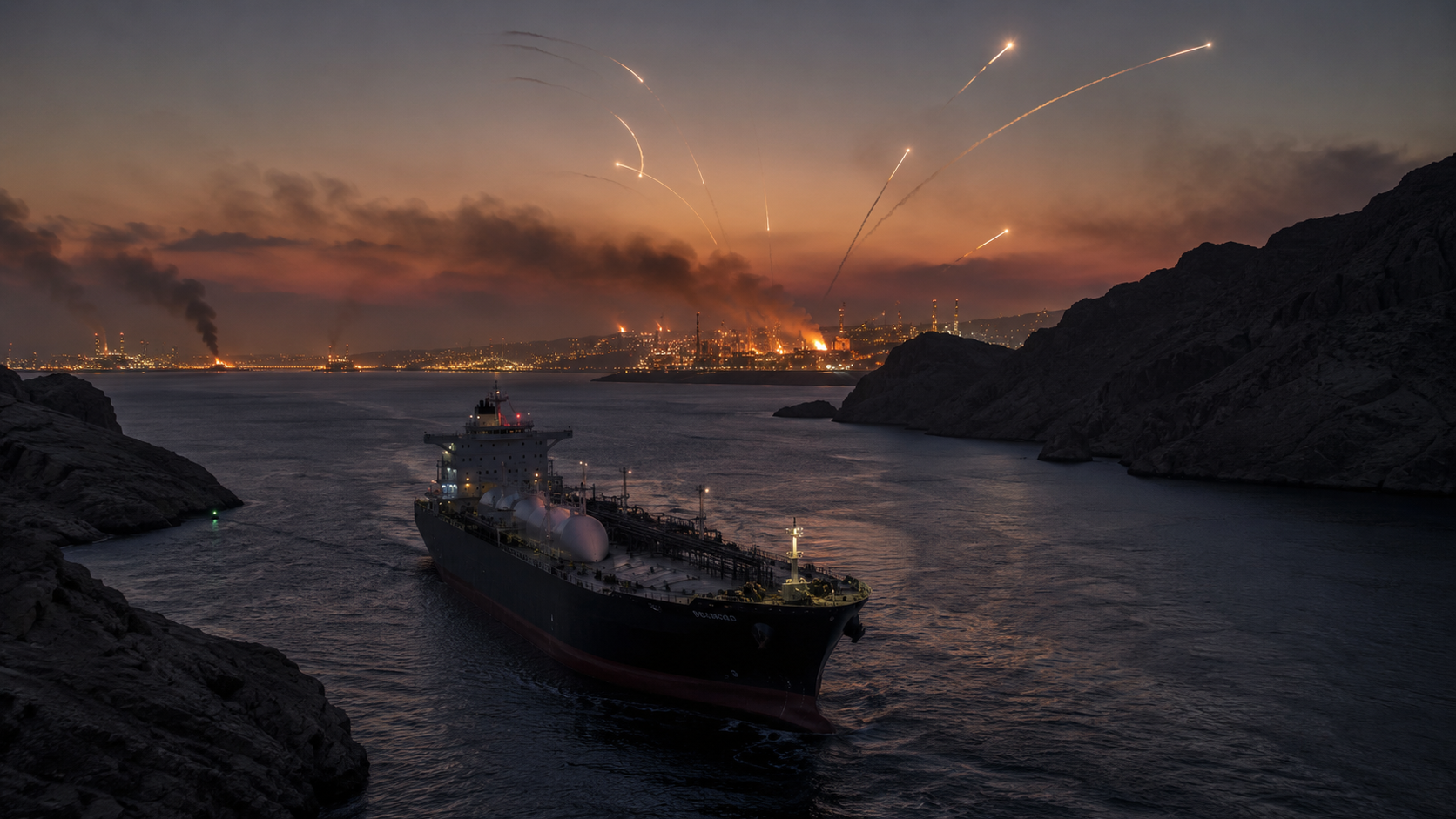
Renewed missile exchanges across the Middle East are raising the threat of a wider conflict, keeping oil prices elevated and complicating the global inflation and interest-rate outlook.
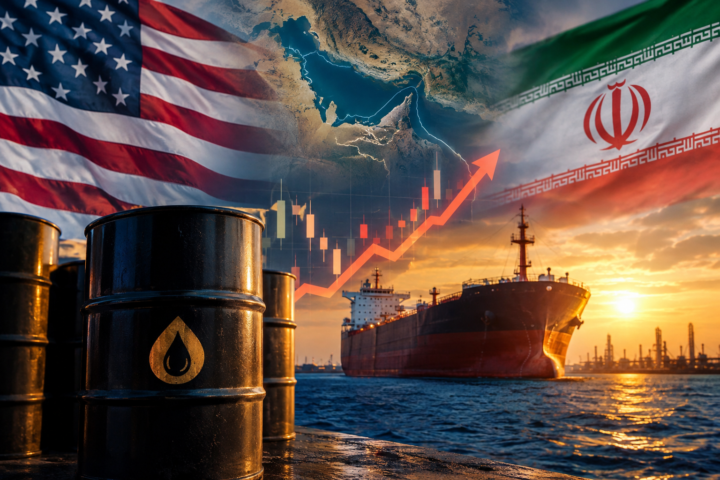
A renewed exchange of missile attacks between the United States and Iran is forcing investors and governments to confront a risk that markets had only partially priced in: a prolonged regional conflict capable of disrupting energy supplies, trade routes and the fragile decline in global inflation.
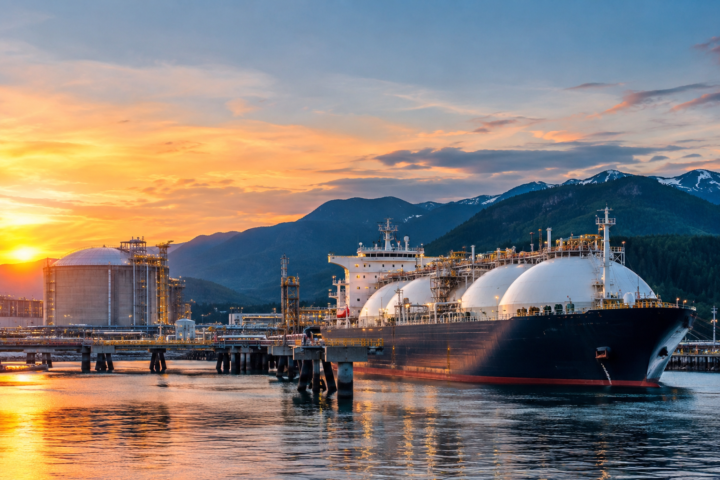
Iranian missiles struck targets across the region on Thursday, including a Chinese-linked facility in Kuwait, while Jordan said it intercepted additional projectiles. The attacks followed a major U.S. offensive against Iranian military sites after an earlier strike on an American base in Jordan. Drone attacks also caused fires aboard two natural-gas vessels at Egypt’s Damietta port, raising concern that the conflict could spread beyond military installations and directly threaten commercial infrastructure.
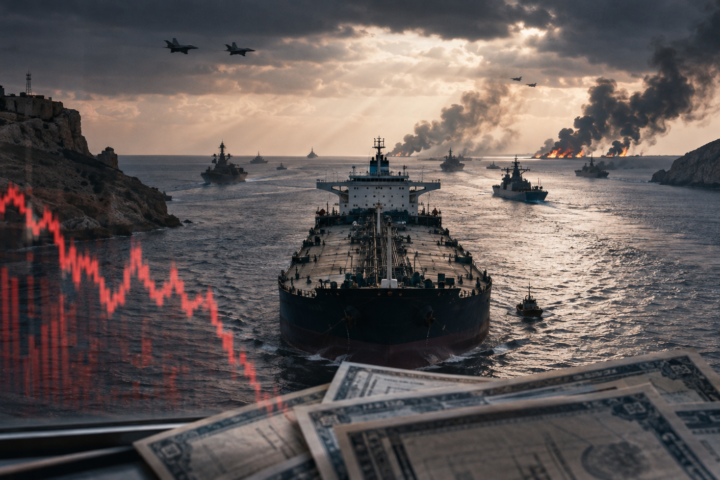
The widening geographic reach matters because the Middle East remains central to global energy production and shipping. Markets are not yet pricing a full interruption of oil flows through the Strait of Hormuz or the Red Sea, but they are assigning a larger premium to the possibility that tankers, pipelines and export facilities could face further attacks. That risk is particularly important for Europe and Asia, where many economies remain heavily dependent on imported oil and natural gas.
Brent crude traded above $90 a barrel during Thursday’s session before easing, while West Texas Intermediate hovered near $84. The pullback appeared to reflect profit-taking after sharp gains rather than a material improvement in the security outlook. U.S. crude inventories also declined by a larger-than-expected 7.2 million barrels, reinforcing concerns that the market has limited capacity to absorb a prolonged supply shock without higher prices.
Energy companies are among the clearest financial beneficiaries. Shell (SHEL), which has extensive global trading, liquefied natural gas and upstream operations, is positioned to capture stronger margins when regional price differences widen and buyers compete for alternative supplies. The company has already benefited from volatility generated by the conflict, illustrating how geopolitical disruption can improve earnings for integrated producers even as it raises costs across the wider economy.
The broader economic consequences are less favorable. Higher oil prices function like a tax on households and businesses, increasing fuel, transport, manufacturing and food-distribution costs. Airlines, chemical producers, logistics groups and consumer-goods companies face particular pressure because energy expenses can rise faster than they are able to adjust prices. Governments may also be forced to increase subsidies or reduce fuel taxes, weakening public finances at a time when many advanced and emerging economies already carry elevated debt burdens.
The conflict is arriving at an especially difficult moment for central banks. Global inflation has declined from its post-pandemic peaks, but the disinflation process has stalled in several major economies. The International Monetary Fund expects global growth of about 3% in 2026, with the Middle East war weighing most heavily on energy importers while technology investment supports economies linked to artificial-intelligence supply chains. The institution has warned that renewed conflict and abrupt financial-market repricing remain major downside risks.
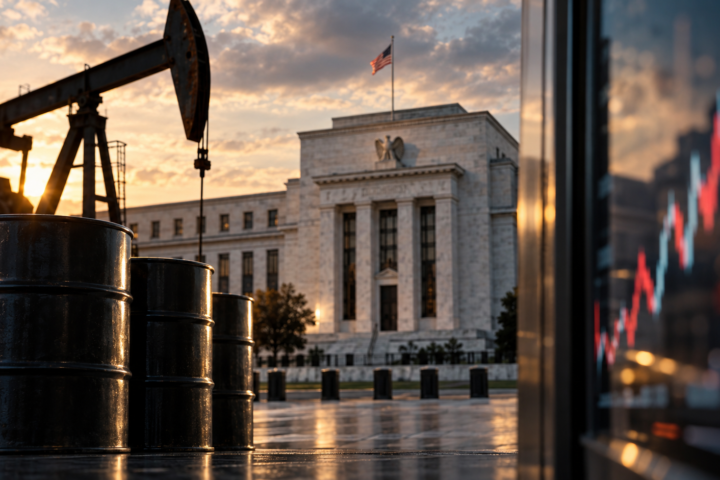
That tension was visible in the market response to the Federal Reserve’s latest policy decision. The central bank left interest rates unchanged and maintained a firm stance on inflation, contributing to a selloff in U.S. equities before futures stabilized on Thursday. Investors had hoped that easing price pressures would create room for lower borrowing costs, but another sustained rise in energy prices could delay that process or revive discussion of tighter policy.
For Europe, the challenge may be even more acute. The region has reduced its dependence on Russian pipeline gas, but that shift has increased reliance on liquefied natural gas and maritime supply chains. Any disruption affecting Gulf exports, Egyptian terminals or Red Sea shipping could raise electricity and industrial costs, undermining already modest growth. The European Central Bank recently held its policy rate at 2.25%, while signaling that officials remain alert to second-round inflation effects. A new energy shock would narrow its room to support weak activity.
Asian economies face a different but equally significant exposure. Japan, South Korea, India and China are major energy importers, and higher crude prices can weaken trade balances, pressure currencies and increase government subsidy costs. Equity trading across the region has already become more volatile as investors weigh geopolitical risk alongside uncertainty over U.S. monetary policy and the durability of the global artificial-intelligence investment cycle.
The central question for markets is whether the conflict remains contained to episodic military exchanges or begins to impair physical energy flows. A temporary escalation can sustain high profits for producers while creating manageable inflation pressure. A sustained interruption to shipping or export facilities would be far more disruptive, potentially pushing crude prices sharply higher, weakening consumer demand and forcing central banks to choose between supporting growth and controlling inflation.
Diplomatic channels remain open, with Pakistan and several regional governments attempting to mediate. Yet the continued exchange of missiles suggests that neither side has established a credible path toward de-escalation. Saudi Arabia and other Gulf states have strong economic incentives to limit the conflict, but they also face increasing security risks as Iran-aligned groups target infrastructure and transport routes.
Investors are therefore likely to maintain a premium on oil, defense assets and energy producers while demanding greater compensation for holding the currencies and bonds of fuel-importing economies. The most important signal will not be a single day’s movement in crude prices, but whether shipping volumes, insurance costs and refinery supplies begin to show lasting disruption.
For now, the global economy is absorbing the shock. That resilience should not be mistaken for immunity. With inflation still above central-bank targets in several countries and growth already uneven, an extended Middle East conflict could transform an energy-market risk into a broader challenge for monetary policy, corporate earnings and household purchasing power.