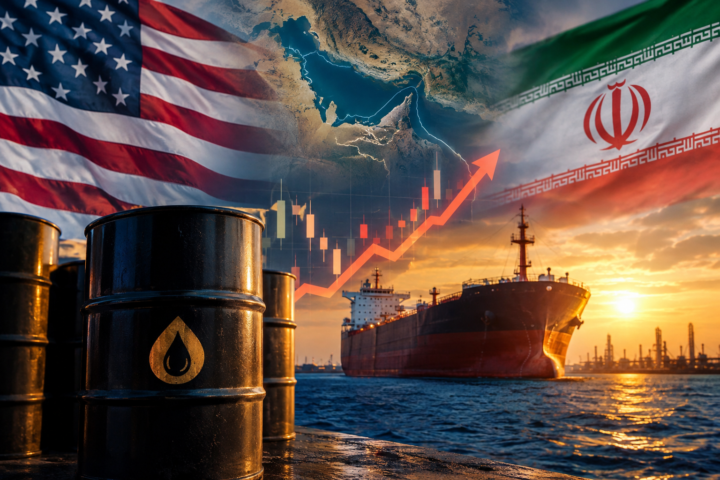
A sharp fall in crude prices is giving governments, central banks and investors breathing room, but the Middle East truce remains too fragile to erase inflation and growth risks.
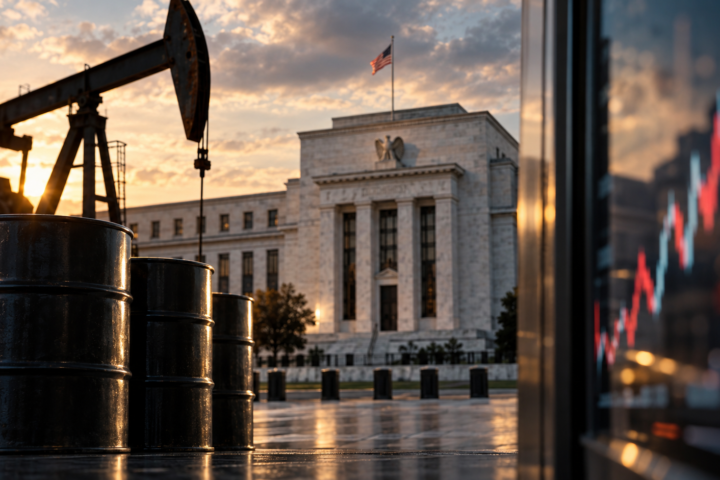
Oil’s retreat to levels last seen before the latest Middle East escalation has quickly become the most important global economic story of the week. Brent crude fell near $72 a barrel as tanker traffic through the Strait of Hormuz increased and shipping confidence improved, reversing a large part of the war premium that had built into energy markets. For policymakers, the move offers immediate relief. For investors, it reopens a question that had been buried under geopolitical risk: whether the global economy can still avoid a deeper slowdown while interest rates remain high and consumer demand weakens.
The decline matters because the oil shock had been feeding into nearly every major macroeconomic concern. Higher fuel costs threatened to lift headline inflation, squeeze household budgets, raise transport expenses and complicate central-bank decisions from Washington to Frankfurt. The World Bank warned earlier this month that the Middle East conflict was expected to slow global growth to its weakest pace since the pandemic, citing higher energy prices, steeper inflation and borrowing-cost pressures. That warning still hangs over markets, even as the immediate commodity panic fades.
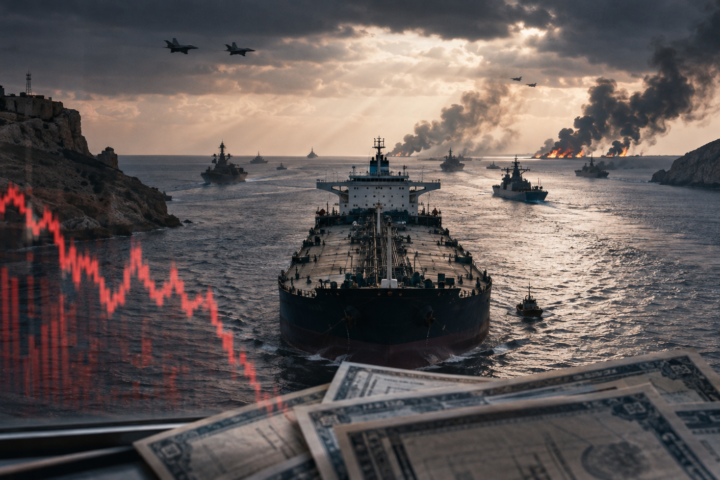
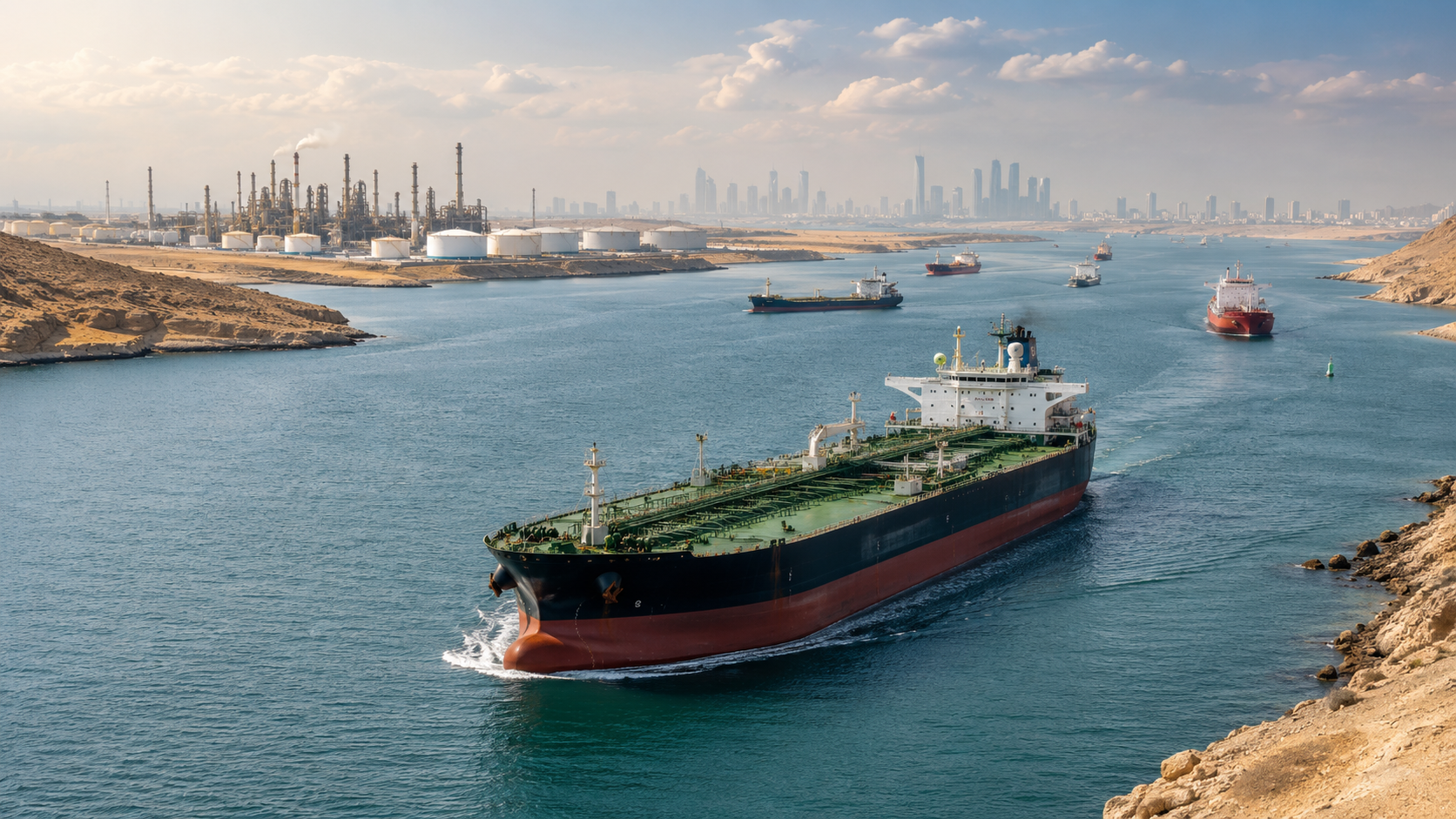
The recovery in tanker movement through Hormuz is especially important because the waterway is one of the world’s most sensitive energy chokepoints. When disruption fears intensified, oil prices briefly reflected the possibility of a broader supply crisis. Now, with vessels moving more normally and satellite tracking activity improving, traders are marking down the probability of a prolonged energy squeeze. The adjustment has been swift. Some analysts are cutting crude forecasts, with expectations that restored flows and softer demand could keep prices below the levels feared only weeks ago.
That shift has direct implications for publicly traded energy producers such as Shell (SHEL). A lower oil price reduces cash-flow expectations for integrated majors, particularly after a period in which investors had priced in geopolitical scarcity. At the same time, it lowers input costs for airlines, chemicals producers, shipping firms and consumer companies. The broader equity market tends to prefer cheaper energy when it signals lower inflation rather than collapsing demand. That distinction is now central. If oil is falling because supply routes are stabilizing, risk assets can rally. If it is falling because global demand is deteriorating, the message is more troubling.
For now, markets appear to be treating the decline as a partial relief signal. U.S. equities advanced earlier in the week as crude fell and bond yields eased, while investors rotated back toward risk after a period of anxiety over technology valuations and Middle East escalation. Still, the rebound is uneven. A recent selloff in large U.S. technology and semiconductor shares showed how quickly optimism can fade when investors reassess stretched valuations, debt-financed artificial-intelligence spending and the prospect of tighter monetary policy.
The policy backdrop remains difficult. S&P Global Market Intelligence expects global real GDP growth of 2.2% in 2026 and consumer price inflation of 4.1%, with eurozone growth especially weak at 0.2% and India still expanding much faster at 5.7%. That combination points to a world economy growing slowly but not uniformly, with emerging-market resilience offsetting stagnation in parts of Europe. It also suggests that central banks may not get the clean disinflation path they need to ease aggressively.
Europe faces a particularly narrow path. Lower oil prices help households and manufacturers, but the region remains exposed to energy volatility, weak services activity and political pressure over living costs. The U.K. is also contending with sluggish growth, high household debt burdens and fiscal constraints. In this environment, a fall in crude is helpful but not transformative. It reduces one source of stress without fixing weak productivity, fragile consumer confidence or the investment caution that has followed years of shocks.
For emerging economies, the oil move cuts both ways. Importers in Asia and parts of Africa benefit from lower fuel bills and reduced pressure on trade balances. Exporters in the Gulf, Latin America and parts of Africa face softer revenue assumptions, especially if prices remain below budget-planning levels. The impact on currencies may be significant. A sustained oil decline could ease dollar-funding stress for importers, but weaker commodity receipts could pressure exporters that rely heavily on energy income.
The geopolitical risk premium has not disappeared. The current calm rests on fragile negotiations and the assumption that shipping through Hormuz continues to normalize. Deloitte noted this week that markets welcomed the peace developments but that the arrangement was not a final settlement and left major uncertainties unresolved. That is why investors are unlikely to fully remove protection against renewed volatility.
The more durable question is whether lower energy prices can prevent a stagflationary outcome. If inflation moderates while employment and corporate earnings hold up, central banks may gain flexibility later this year. If growth keeps weakening, cheaper oil will look less like a dividend and more like a symptom. For multinational companies, the next few weeks will be a test of demand resilience, pricing power and supply-chain confidence.
The world economy has been handed a reprieve, not a resolution. Oil below crisis highs reduces the risk of an immediate inflation shock and gives investors reason to rebuild exposure to cyclical assets. But the global expansion remains dependent on unstable variables: Middle East diplomacy, central-bank patience, consumer spending and whether the artificial-intelligence investment boom can continue absorbing capital without triggering a broader market correction. The message from crude is encouraging. It is not yet decisive.